Modern Coins: Bullion, the Euro and Coins Today
1900 – today
In the 20th century coins stopped being treasure and became tokens. Country after country took gold and then silver out of circulating money. In the United States, the Coinage Act of 1965 removed silver from the dime and quarter. What you carry now is worth what the government says, not what the metal would fetch.
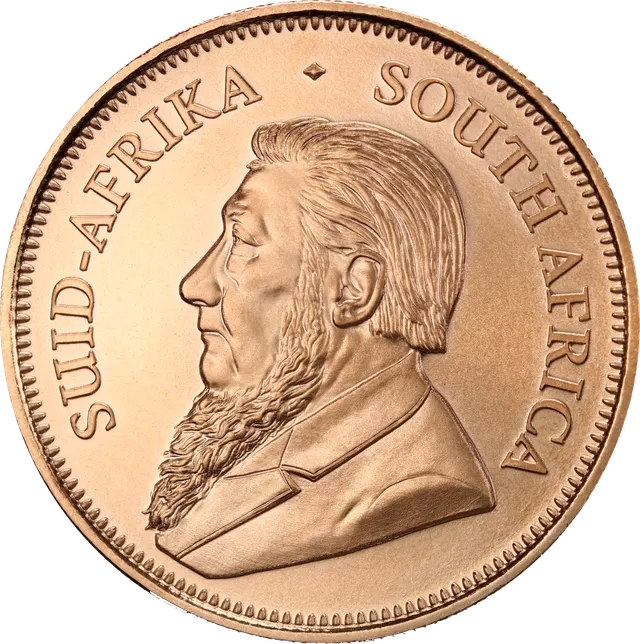
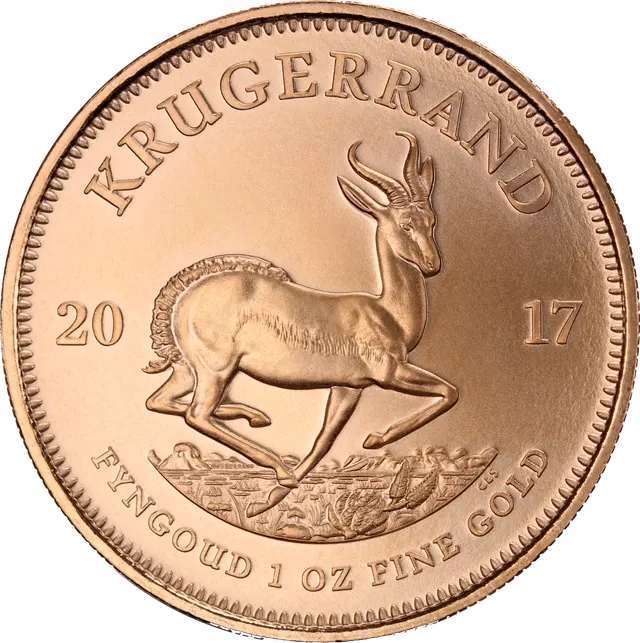
Precious metal came back in a different form. In 1967 South Africa launched the Krugerrand, a gold coin holding exactly one troy ounce of fine gold and sold for the value of its metal. It made it easy for ordinary buyers to own gold. Canada's Maple Leaf, the American Eagle and many others followed.
Then, on 1 January 2002, twelve European countries swapped their francs, marks, lire and pesetas for a single set of euro coins. Each coin has a common side and a national side, so a coin minted in Spain might turn up in your change in Finland.
Today's coins are also harder to fake, with two-metal designs and fine edge details. Commemorative issues keep coins collectable even as people use cash less.
Articles in this era
Part 34: Bullion Coins and the Krugerrand Revolution
Part 35: The Euro: Building a Currency From 12 Countries' Coins
Part 36: Commemorative Coins: Money as Monument
Part 37: Bimetallic and High-Security Coins Today
Coins in this story
More coin pagesSovereign
Coin pages on the way Euro coins
Questions people ask
Why did coins stop being made of silver?
Silver rose in value until the metal in a coin was worth more than its face value, so people hoarded them. Most governments switched to cheaper base metals in the 1960s.
What was the first modern gold bullion coin?
The South African Krugerrand, launched in 1967.
How many countries use the euro?
Twelve countries issued euro coins in 2002. More have joined since, and Bulgaria adopted the euro in 2026.
Image credits
- Gold Krugerrand, South Africa, 2017. Gruener Panda, via Wikimedia Commons, CC BY-SA 4.0. Source
- Gold Krugerrand, South Africa, 2017. Gruener Panda, via Wikimedia Commons, CC BY-SA 4.0. Source
- 2 euro coin. Vander, via Wikimedia Commons, CC0. Source