Before 500 BC
Origins
Barter, cowrie shells, hacksilver, then a lion stamped on electrum.
Articles for this era are being written.
Around 630 BC, someone in the kingdom of Lydia, in what is now western Turkey, took a lump of electrum and struck a lion's head into it. Electrum is a natural mix of gold and silver, and the amount of gold in it varied from one lump to the next. The stamp meant the king vouched for its value, so people could stop weighing every piece. That small idea is where the history of coins starts.
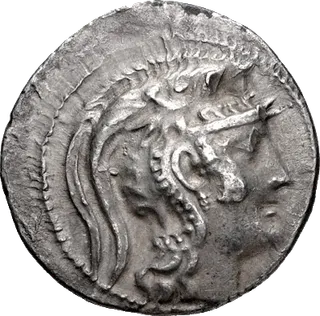
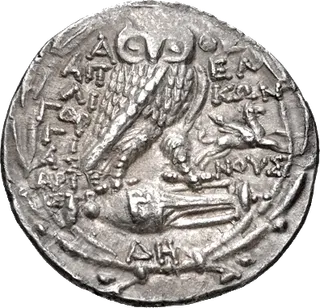
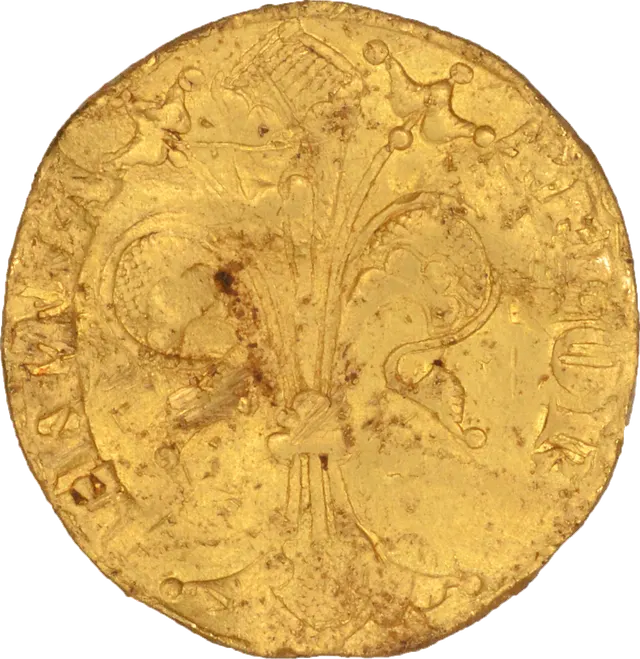
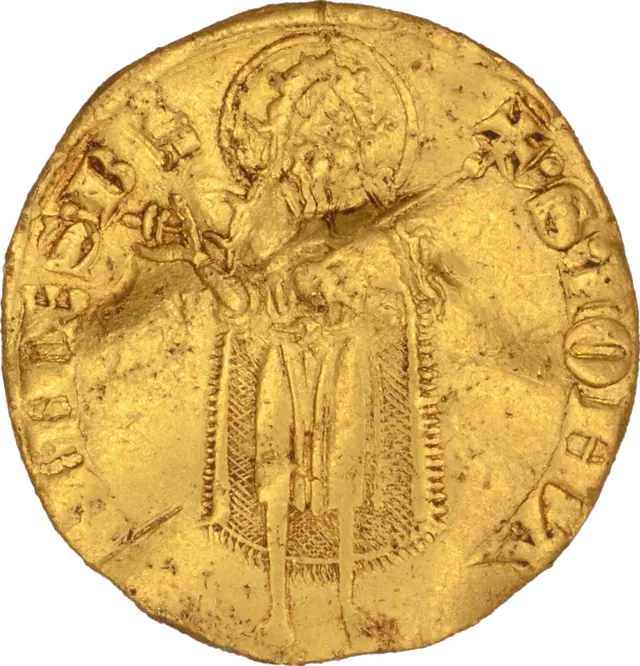
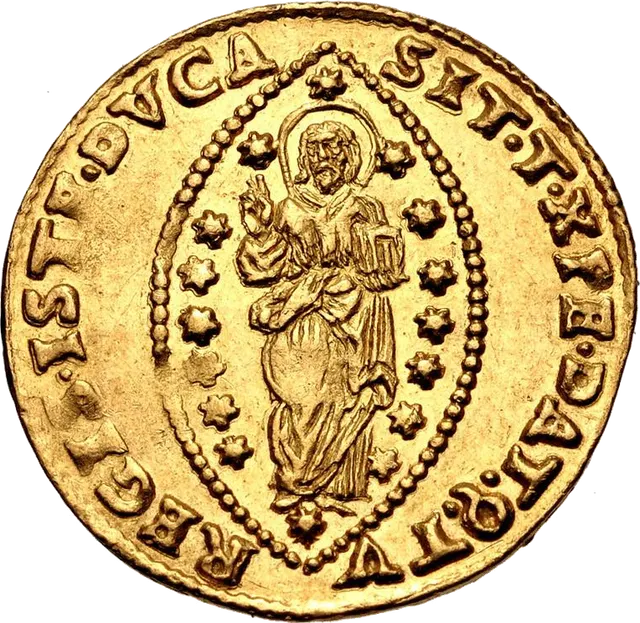
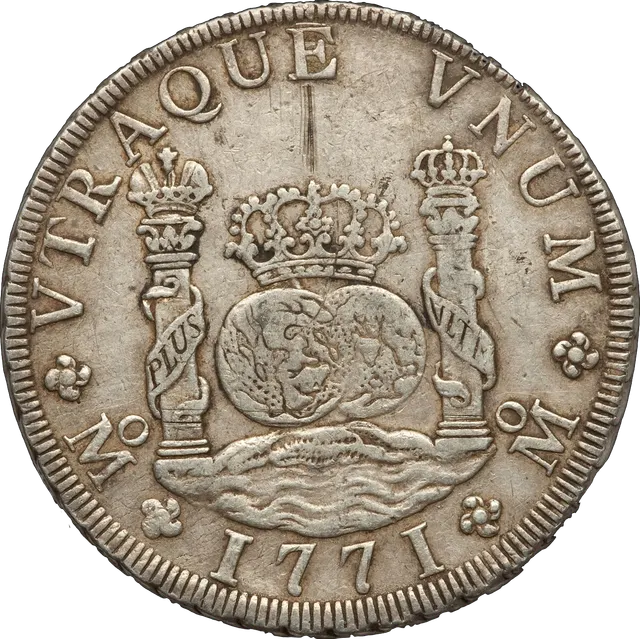
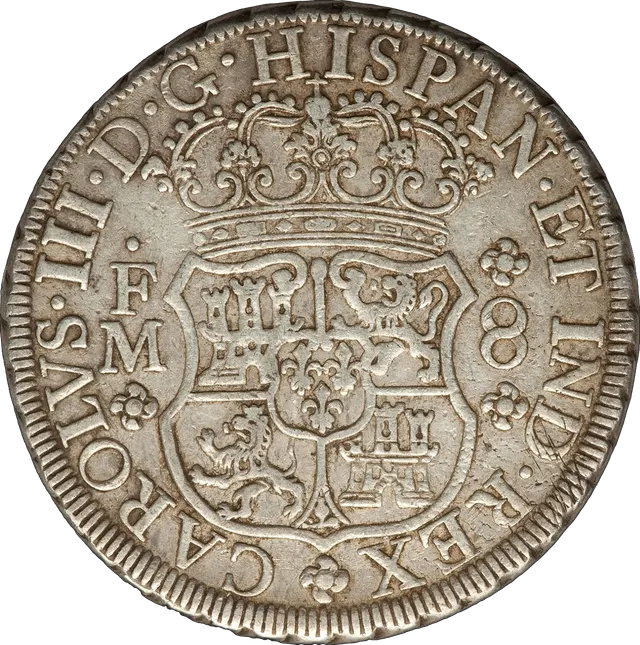
Over the next 2,600 years coins went almost everywhere. Greek cities put gods and owls on silver. Han China cast tens of billions of bronze coins with square holes. Florence struck a gold florin that kept the same weight for nearly three centuries. A Bohemian silver coin gave us the word "dollar", and Spanish pieces of eight crossed every ocean.
This section follows that story in six eras. Start with the timeline below, or pick an era. Each era page has its own articles, the coin that circulated most in its day, and links to coin pages where you can flip the coin you just read about.
If you collect, start with ancient coins, the oldest you can still hold in your hand.
Before 500 BC
Barter, cowrie shells, hacksilver, then a lion stamped on electrum.
Articles for this era are being written.
500 BC – AD 500
Greek owls, Roman denarii, Persian gold and China's coins with square holes.
Articles for this era are being written.
500 – 1500
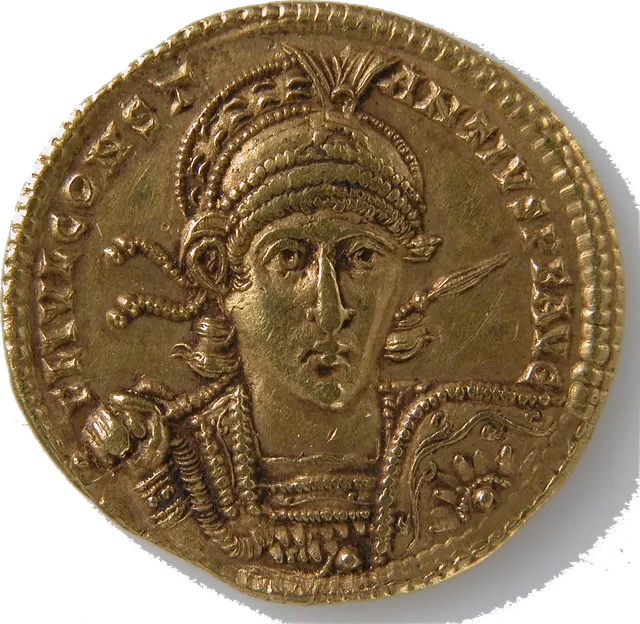
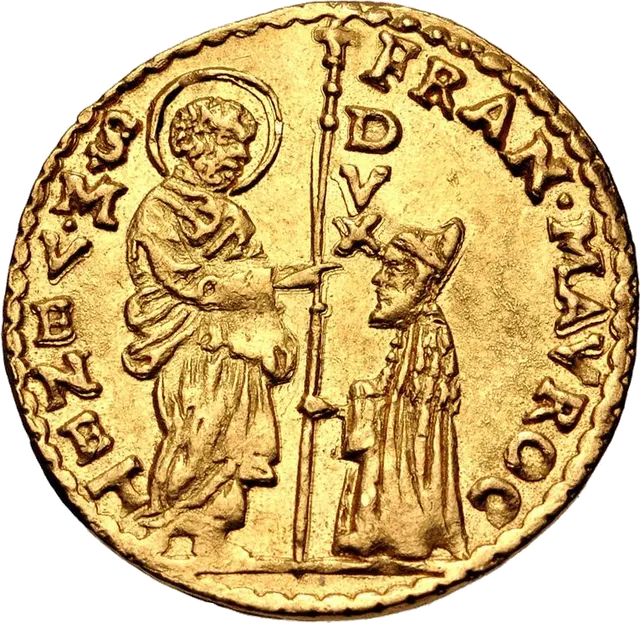
Byzantine gold, Islamic dinars, silver pennies and the florin.
Articles for this era are being written.
1500 – 1800
Thalers, pieces of eight and the silver that circled the globe.
Articles for this era are being written.
1600 – 2025
From Spanish dollars in colonial pockets to the last circulating penny.
Articles for this era are being written.
1900 – today
Bullion, the euro, and coins that are tokens rather than treasure.
Articles for this era are being written.
The earliest known coins were made in Lydia, in western Turkey, in the late 7th century BC. They were small lumps of electrum stamped with a lion's head. China and India developed their own metal money independently at about the same time.
Most historians point to the Lydian electrum coins, especially the lion-head trite (a one-third stater). Excavators found early examples buried under the Temple of Artemis at Ephesus in 1904–05.
They used weighed silver, grain, livestock and shells. Cowrie shells were money in Shang China, and across the Near East people paid with cut pieces of silver, called hacksilver, weighed on a scale. Read more in Origins.
It depends on how you count. China's bronze cash coins win on sheer numbers: the Han dynasty alone cast more than 28 billion wu zhu coins. The US one-cent coin was made in larger numbers than any other US denomination before production for circulation ended in 2025. Our most circulated coins roundup goes era by era.
Since the earliest coins, rulers have put their own portrait or emblem on one side, the "head", and a symbol on the other. That two-sided design is why a coin works for a fair toss. See the history of the coin toss.