Trade Empires: The Coins That Crossed Oceans
1500 – 1800
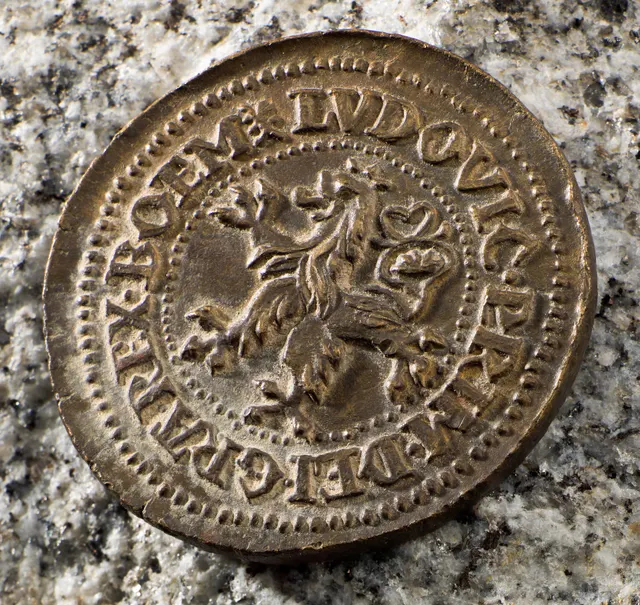
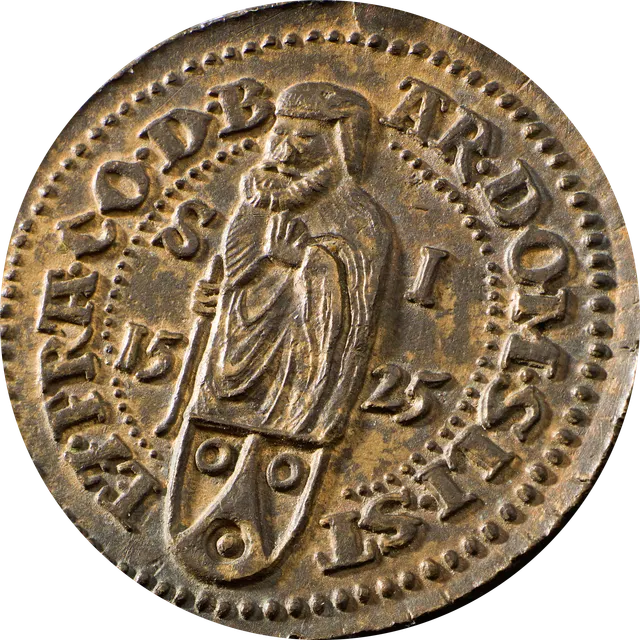
Around 1500, Europe was short of silver, until miners found a rich vein at Joachimsthal in Bohemia. In 1520 the valley's mint began striking a large silver coin, about 29 g, called the Joachimsthaler. People shortened the name to thaler, and in English it became "dollar".
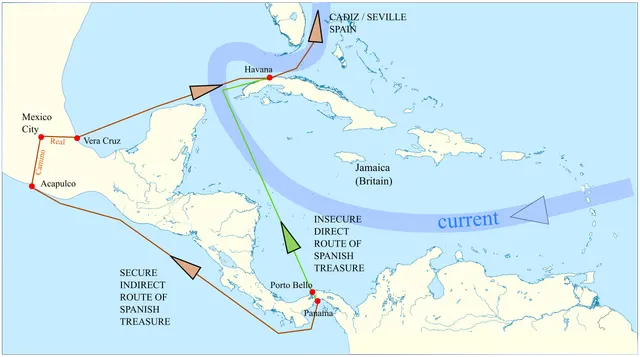
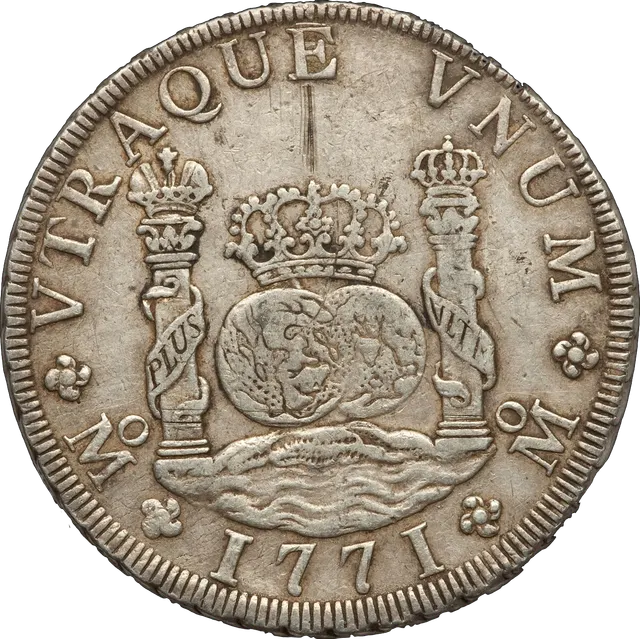
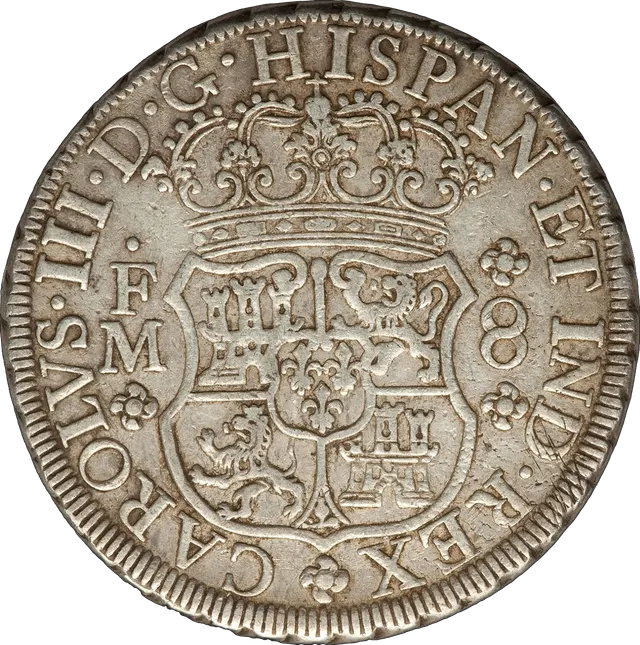
Then the Spanish found far more. Mines at Potosí, in today's Bolivia, and in Mexico poured silver into Spain's mints. The result was the 8 reales, the piece of eight. It travelled to Europe on the treasure fleets, and from 1565 to China on the Manila galleons, which traded it for silk and porcelain. Merchants from Boston to Canton trusted it because its weight and silver content were steady.
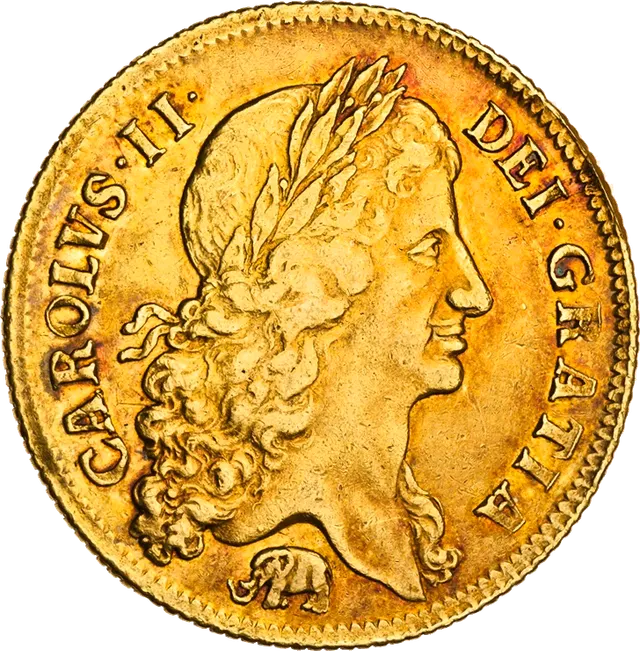
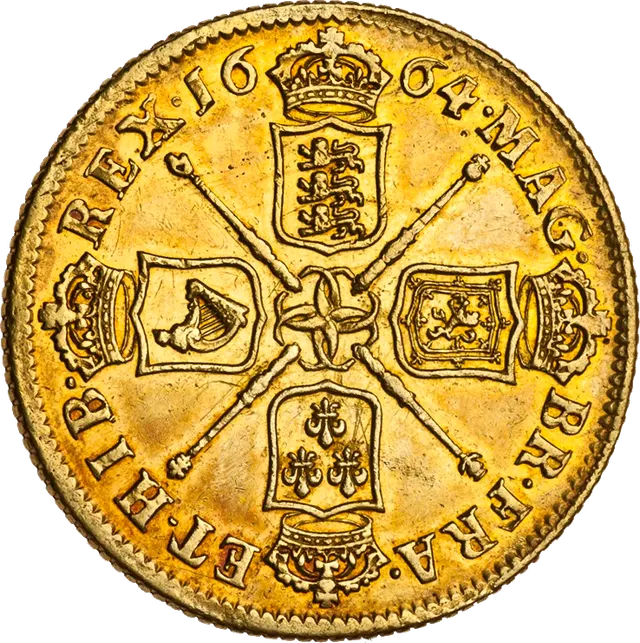
Other empires built their own trade coins. In India, Sher Shah Suri's silver rupee set a standard that the Mughals kept. Britain struck the gold guinea, named for the West African region where much of its gold came from. Austria's Maria Theresa thaler went on being struck long after the empress died, and people in Arabia and East Africa used it well into the 20th century.
The articles below follow the silver, and the gold, across the world.
Articles in this era
Part 22: The Thaler: The Coin That Named the Dollar
Part 23: Pieces of Eight: The Spanish Dollar, First Global Currency
Part 24: The Doubloon: Spanish Gold and Pirate Legend
Part 25: The Maria Theresa Thaler
Part 26: Ottoman and Mughal Coins
Part 27: The Guinea and the Sovereign: Britain's Gold
Questions people ask
Why is it called a "piece of eight"?
It was worth 8 reales, and it could be cut into pieces to make change. That's where the old American "two bits" for a quarter dollar comes from.
Is "dollar" really from "thaler"?
Yes. Joachimsthaler was shortened to thaler, which became "daler" in Dutch and "dollar" in English.
What is a trade coin?
A coin struck mainly for foreign trade, with a weight and fineness that merchants abroad could trust.
Image credits
- Spanish 8 reales pillar dollar, Mexico City, 1771. Heritage Auctions, via Wikimedia Commons, Public domain. Source
- Spanish treasure fleet routes in the West Indies, 1726. Lobsterthermidor, via Wikimedia Commons, CC BY-SA 3.0. Source
- The Bohemian lion on the back of a Joachimsthaler. NTNU Vitenskapsmuseet, CC BY 2.0. Source
- Joachimsthaler, Bohemia, 1525. NTNU Vitenskapsmuseet, CC BY 2.0. Source
- Gold two guineas of Charles II, 1664. Gregory Edmund, CC BY-SA 4.0. Source