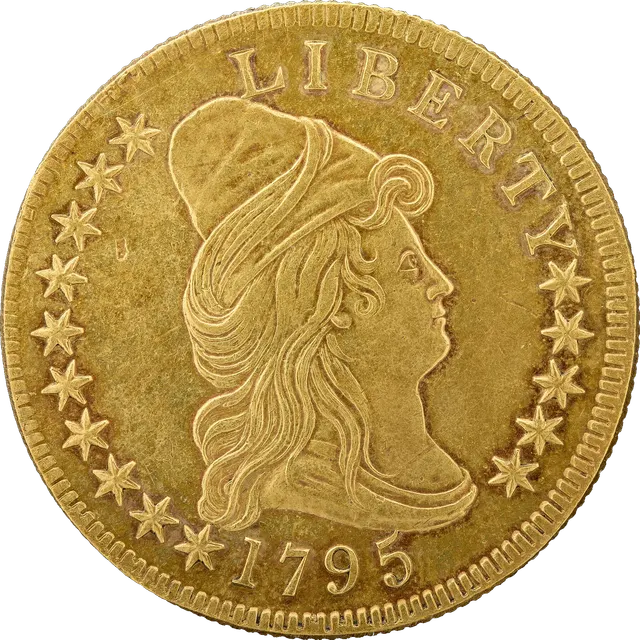
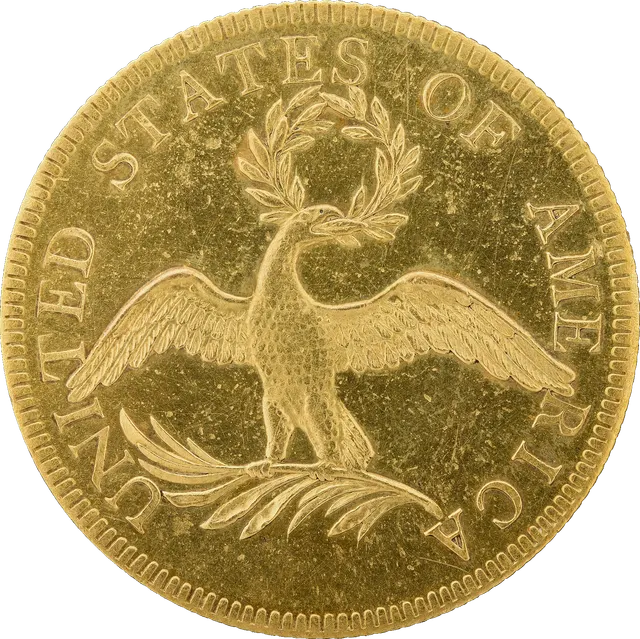
The Coinage Act of 1792 and the Birth of the US Mint
Part 29 of the Americas series4 min read
How a 1792 law gave the US its decimal dollar, its first Mint in Philadelphia and ten coins, from the half cent to the $10 gold eagle.
On April 2, 1792, George Washington signed a law that set up the United States Mint. It's usually called the Coinage Act or the Mint Act. In a few pages it named the dollar as the country's money, split it into tenths and hundredths, and listed ten coins the new Mint would make.
Most of US coin history starts here. The penny, the dime and the silver dollar all trace back to this one act.
Why the country needed its own coins
After the Revolution, Americans paid with whatever turned up. Spanish silver dollars were the most trusted coin around, and people cut them into eight "bits" for change. British, French and Portuguese coins circulated too, along with state coppers and paper money that had lost most of its value. (Our article on colonial coins and Continental currency covers that mess.)
The Articles of Confederation let Congress coin money, but it never built a mint. It did make one big decision. On July 6, 1785, the Continental Congress voted that "the money unit of the United States of America be one dollar." The next year it agreed the dollar would be divided decimally.
That idea came largely from Thomas Jefferson. In 1784 he had argued that counting in tens would be far easier than pounds, shillings and pence. Alexander Hamilton, as Treasury Secretary, sent Congress his own plan for a mint in January 1791. The 1792 act drew on both.
What the Coinage Act of 1792 said
The law did four main things.
First, it set up the Mint. The Mint would sit at the seat of government, which was Philadelphia at the time. It had five officers: a director, an assayer, a chief coiner, an engraver and a treasurer.
Second, it made the money decimal. Accounts would be kept in "dollars or units, dismes or tenths, cents or hundredths, and milles or thousandths." The mill never became a coin, but it still shows up in property tax rates and gas prices that end in 9/10 of a cent.
Third, it defined the dollar in metal. A silver dollar would hold 371.25 grains of pure silver (416 grains in all, once alloy was added), roughly the silver in a Spanish dollar. Gold was valued at 15 times silver by weight.
Fourth, it listed the coins. There were ten of them, in three metals:
- Gold: the eagle ($10), half eagle ($5) and quarter eagle ($2.50)
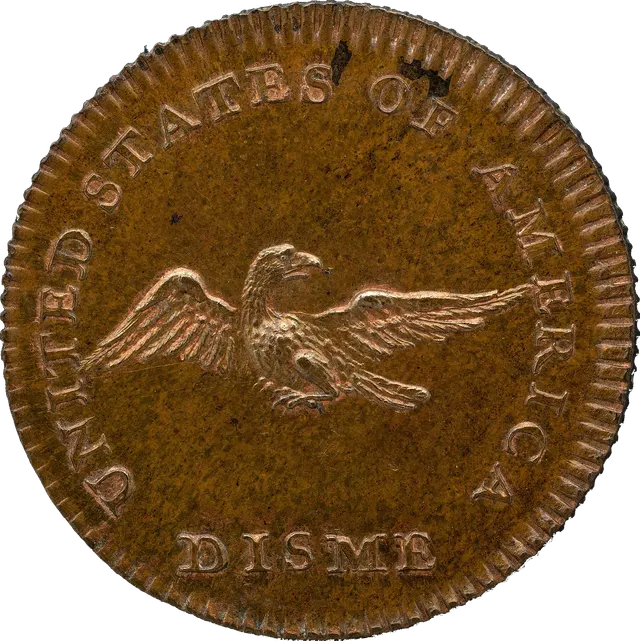
- Silver: the dollar, half dollar, quarter dollar, disme (10 cents) and half disme (5 cents)
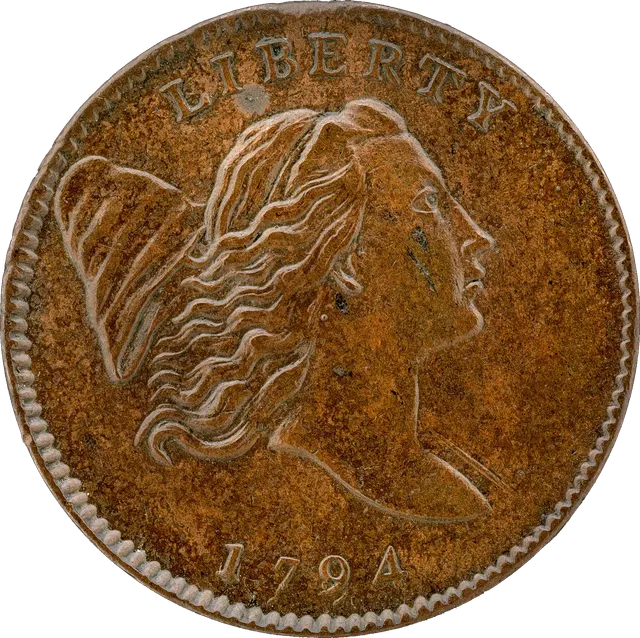
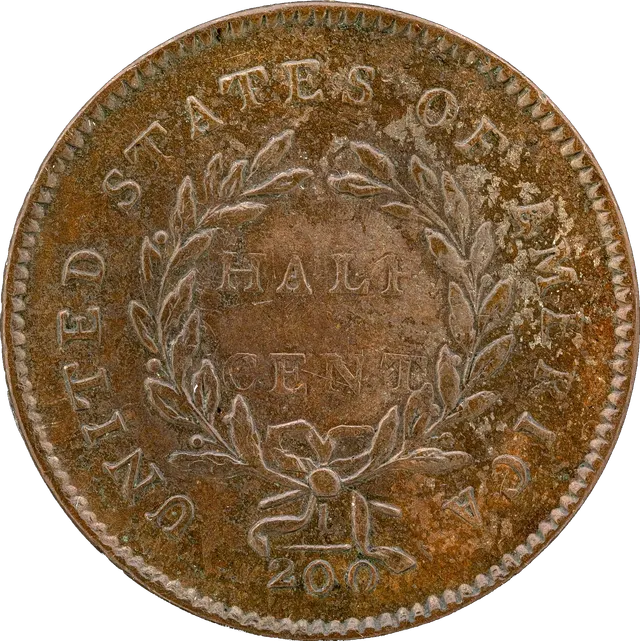
- Copper: the cent and the half cent
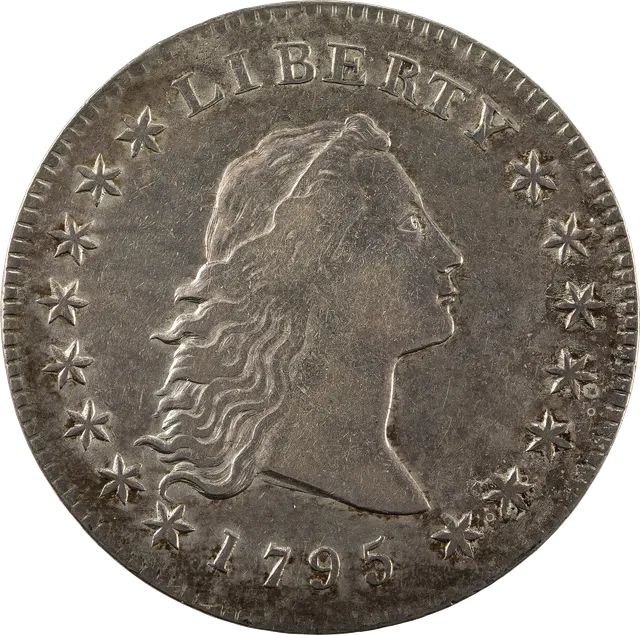
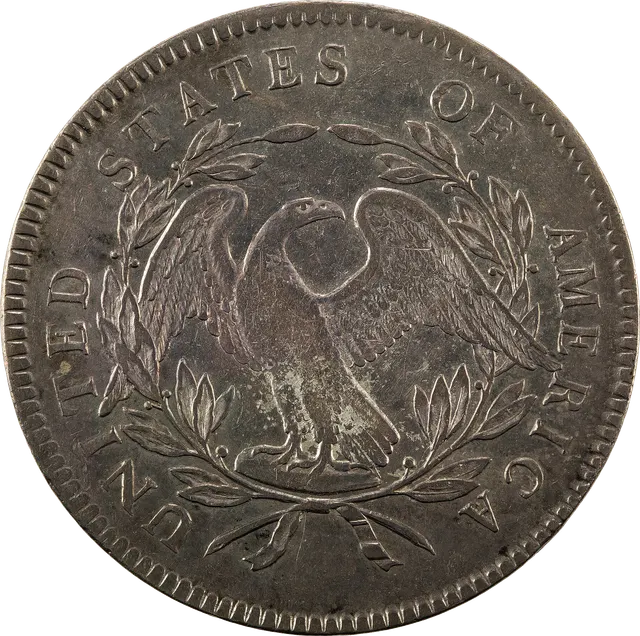
It also told the Mint what to put on the coins. Each one needed an image standing for liberty, the word LIBERTY and the year. The gold and silver coins also needed an eagle and the words UNITED STATES OF AMERICA on the back.
And it was strict. Any Mint officer who debased the coins or embezzled metal could be put to death. Congress later replaced that with fines and prison.
Rittenhouse and the first Mint building
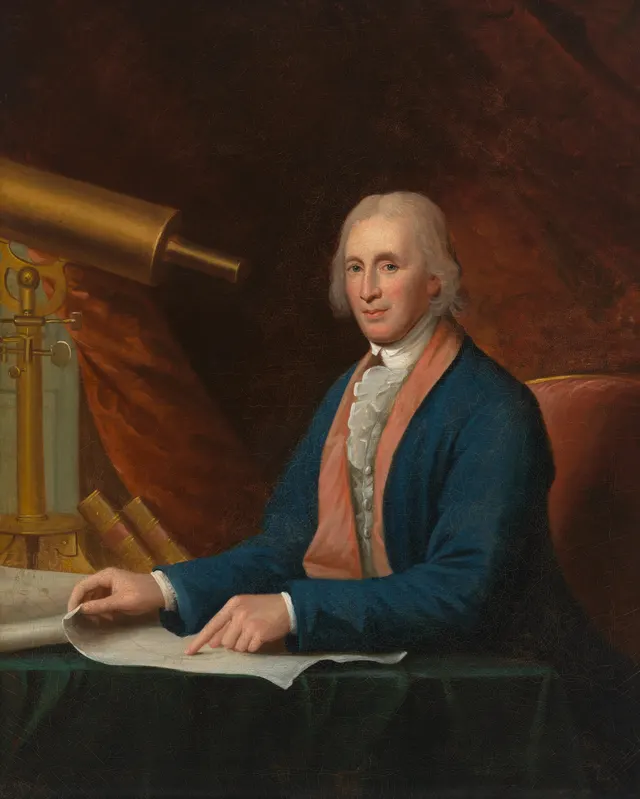
Washington picked David Rittenhouse, a Philadelphia astronomer and clockmaker, as the first director. Rittenhouse moved fast. On July 18, 1792, he bought two lots on Seventh Street, near Filbert Street, and on July 31 he laid the foundation stone.
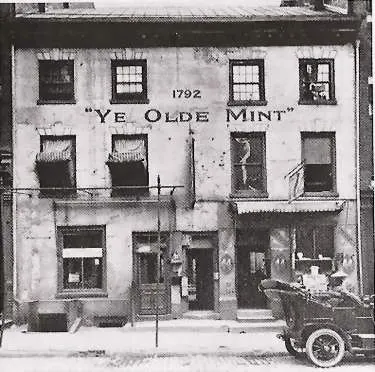
By September the main building was ready for its smelting furnace. It was a plain three-story brick building, and it was the first federal building put up under the Constitution. The machinery was simple: horse-powered rolling mills and hand-cranked screw presses.
The Mint worked there for about 40 years. It moved to a larger building on Chestnut Street in 1833. The old buildings survived as shops until a businessman named Frank H. Stewart bought them in 1907 and pulled them down in 1911. He saved a number of relics from the site.
The first coins: the 1792 half dismes
The Mint building wasn't ready by summer, but the government wanted coins. So in July 1792 about 1,500 silver half dismes were struck in the cellar of John Harper, a saw maker who lived nearby. Thomas Jefferson, then Secretary of State, supplied $75 in silver and recorded receiving the coins on July 13.
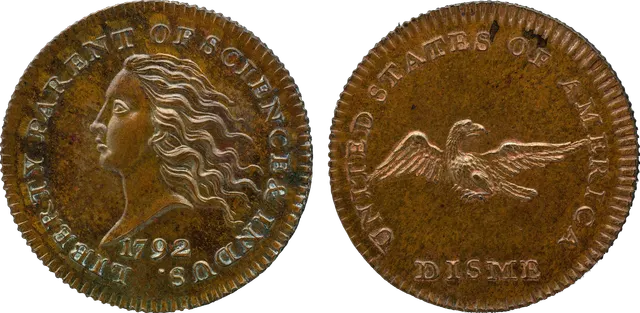
You may have heard that Martha Washington's silverware was melted down to make them. It's a good story, but Jefferson's own account book shows the silver came from him. "Disme" was spelled the old French way and was probably pronounced "deem."
In his annual message that November, Washington told Congress that "a small beginning" had been made in coining half dismes. Experts still argue about whether they were meant to circulate or were handed out as samples.
Slow going: cents first, silver and gold later
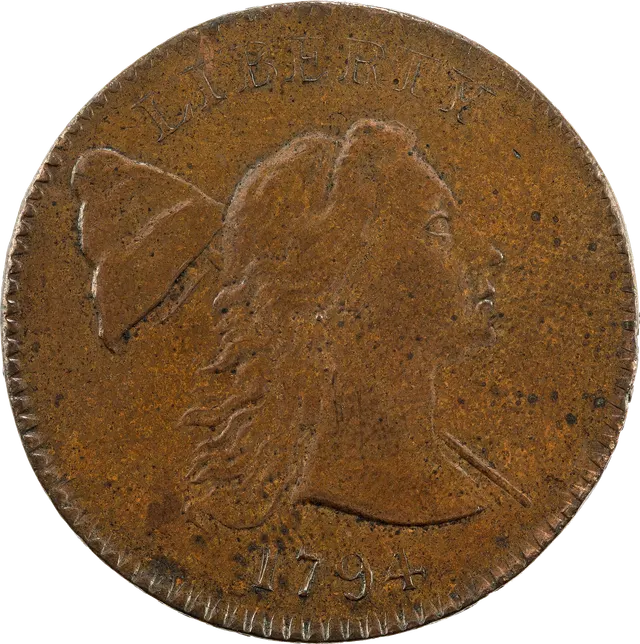
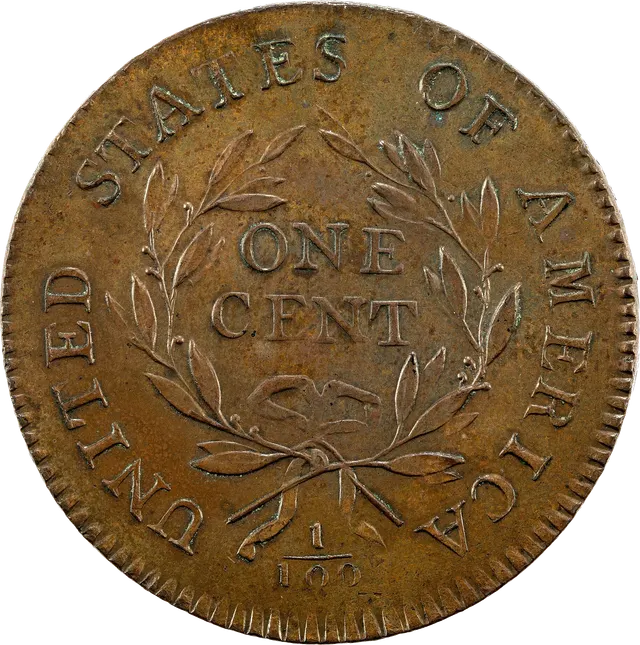
The first coins struck for circulation were copper. In March 1793 the Mint delivered 11,178 cents. Half cents followed that summer. (The full story of the cent is in our history of the penny.)
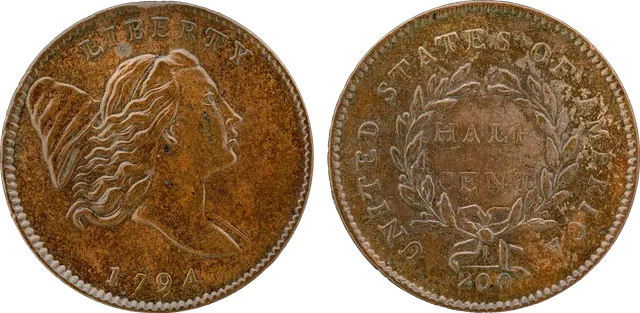
Silver and gold took longer. The act made the assayer and chief coiner each post a $10,000 bond before they could handle precious metal. That was a fortune in 1793, and neither man could find backers. In March 1794 Congress lowered the bonds to $1,000 for the assayer and $5,000 for the chief coiner.
On October 15, 1794, the Mint delivered its first 1,758 silver dollars to Rittenhouse. These were Flowing Hair dollars, designed by engraver Robert Scot. Gold came the next year: 744 half eagles on July 31, 1795, and the first eagles that September.
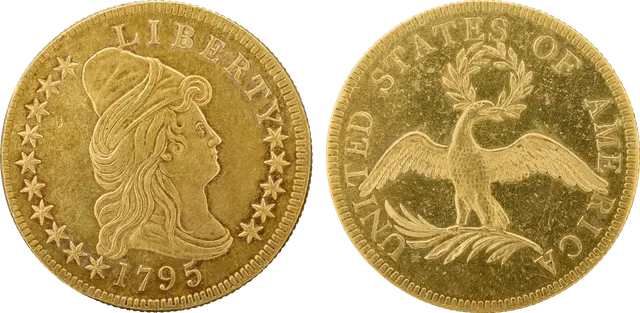
Quarters, dimes and quarter eagles didn't arrive until 1796. Even then, the Mint made too few coins to replace the foreign silver people already used. Congress let some foreign coins stay legal tender until 1857.
What lasted
Plenty of the 1792 plan is gone. There are no more half cents, dismes or $10 gold eagles for circulation, and the gold-to-silver ratio fell apart within a few years. The cent ended its run in 2025.
The core idea held up, though. A dollar split into a hundred cents, made by a federal Mint, has been American money for more than 230 years. The Philadelphia Mint is now in its fourth building, a few blocks from the first one.
Want to see how a dollar lands? Flip a dollar coin or try the coin flipper.
Questions people ask
What did the Coinage Act of 1792 do?
It created the US Mint in Philadelphia, made the dollar the country's unit of money, divided it decimally into dimes, cents and mills, and authorized ten gold, silver and copper coins.
When was the US Mint established?
The Coinage Act was signed on April 2, 1792. Construction of the first Mint building in Philadelphia began on July 31, 1792.
What was the first coin made by the US Mint?
The 1792 half disme, a small silver five-cent piece. About 1,500 were struck in July 1792, before the Mint building was finished. The first coins made for general circulation were copper cents in March 1793.
Who was the first director of the US Mint?
David Rittenhouse, a Philadelphia scientist appointed by George Washington in 1792. He served until 1795.
Why is it spelled "disme"?
The word comes from the French "dixième," meaning a tenth. The 1792 act used that spelling, and it was probably pronounced "deem." The modern spelling "dime" took over soon after.
Sources
- Coinage Act of 1792 (1 Stat. 246), text as reprinted in Coinage Laws of the United States, 1792 to 1894 (US Senate Committee on Finance, 1894)
- American Numismatic Association, "A More Accurate History of the 1792 Half Disme"
- NGC, Jeff Garrett, "The True Story of the 1792 Half Disme"
- Encyclopedia of Greater Philadelphia, "U.S. Mint (Philadelphia)"
- Numismatic News, "Silver dollars of 1794–1795 were illegal" (surety bonds, first dollar delivery)
- Stack's Bowers, 1794 Flowing Hair dollar reference
- Stack's Bowers, 1795 half eagle reference
- CoinWeek, "1795 Capped Bust Right Half Eagle"
- Smithsonian Libraries record for Orosz and Augsburger, The Secret History of the First U.S. Mint
- Wikipedia, "Coinage Act of 1792" and "Philadelphia Mint" (cross-check only)
Coins in this story
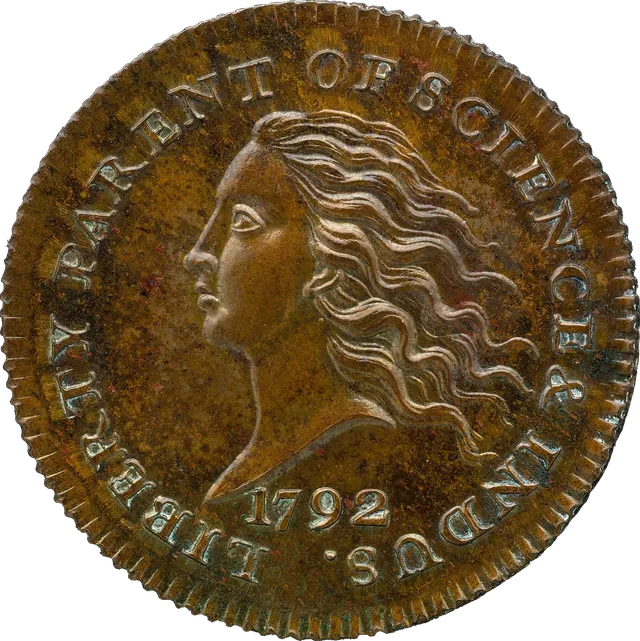
- 1792 pattern disme
- 1794 half cent
- Penny
- Dollar coin
- 1795 gold eagle