Bullion Coins and the Krugerrand Revolution
Part 34 of the Modern coins series5 min read
How South Africa's 1967 Krugerrand created the gold bullion coin, why the US banned its import, and how the Maple Leaf, Panda and American Eagle followed.
Before 1967, if you wanted to own gold you had a few awkward choices. You could buy bars, old circulating gold coins like the British sovereign, or restrikes of retired coins. None of them was designed for the job.
South Africa changed that with the Krugerrand. It was a gold coin made to hold exactly one troy ounce of gold, priced by the gold inside it, and sold to anyone who wanted it. Within about a decade it held roughly 90% of the world gold coin market, and almost every major gold producer copied the idea.
Why South Africa made it
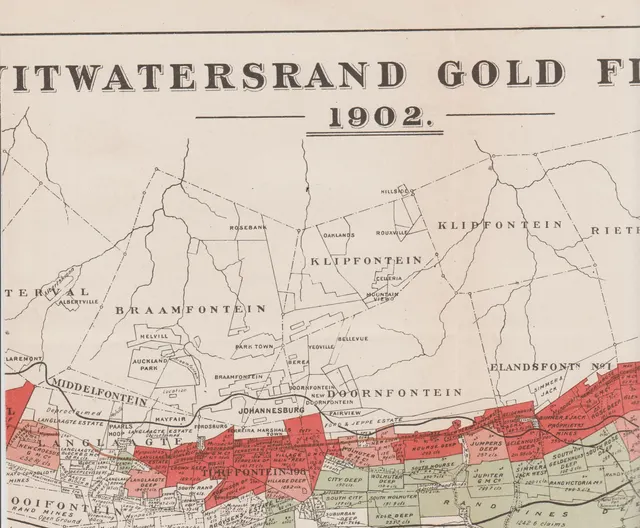
In the 1960s South Africa mined most of the world's gold, about 70% of annual output by one estimate. Most of it came from the Witwatersrand reef around Johannesburg and left the country as bars. A coin gave the industry a new way to sell gold, straight to ordinary savers around the world.
The South African Mint struck the first Krugerrands on 3 July 1967. Rand Refinery supplied the gold blanks, and it still holds the Krugerrand trademark. The first year's run was small: 40,000 bullion coins and 10,000 proofs.
What makes a Krugerrand
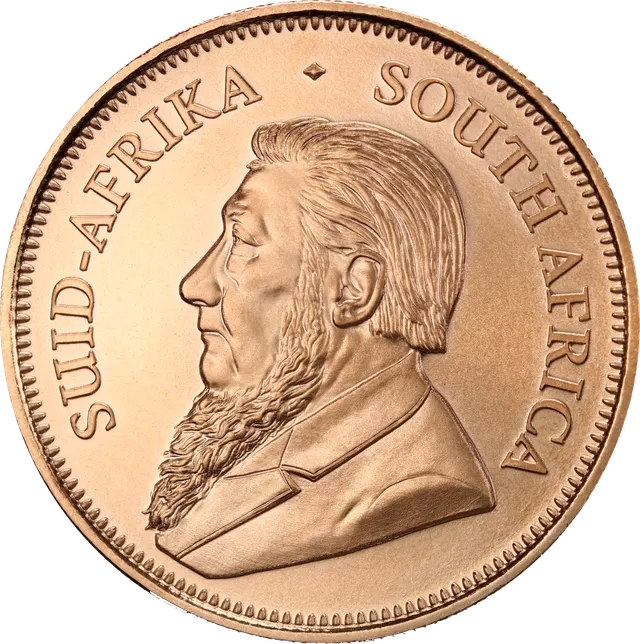
The name joins two words: Kruger, for Paul Kruger, the 19th-century president of the South African Republic, and rand, the country's currency.
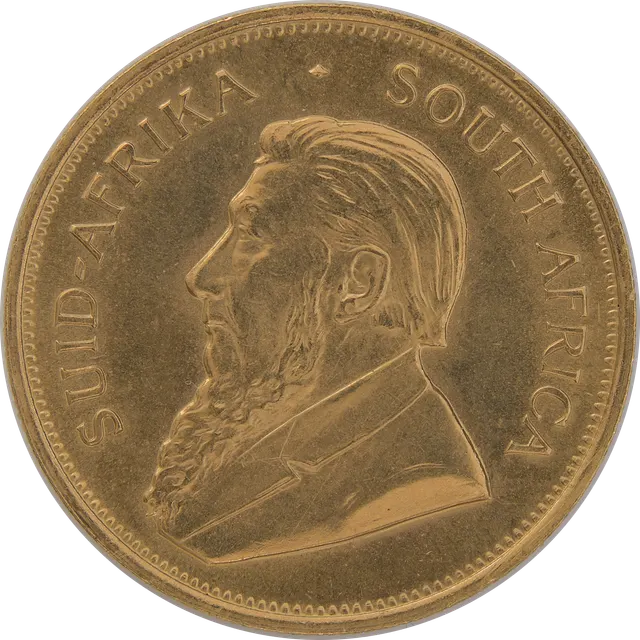
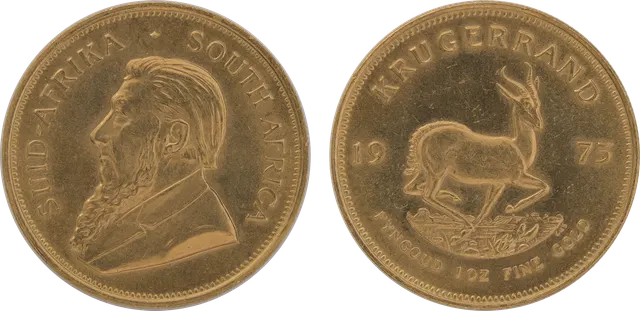
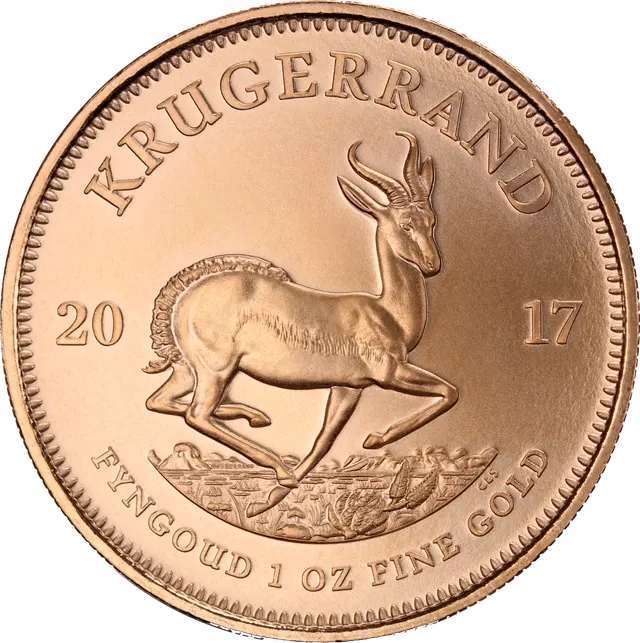
The coin borrowed its designs from older South African money. The Kruger portrait on the obverse is based on Otto Schultz's work for the 1892 gold pond. The springbok on the reverse was designed by Coert Steynberg in 1947 for South Africa's five-shilling coin.
The specifications were the clever part:
- Gold content: exactly one troy ounce (31.10 g) of fine gold
- Total weight: 33.93 g, because the gold is alloyed with copper
- Purity: 22 karat, or 91.67% gold
- Diameter: 32.77 mm
The copper makes the coin harder and less likely to scratch, and it gives a Krugerrand its orange-gold colour. It also means a Krugerrand weighs more than an ounce in total while containing an ounce of gold.
The Krugerrand has no face value. It is legal tender in South Africa, but its value is simply whatever its gold is worth that day. That made it easy to buy and sell anywhere: check the gold price, add a small premium, done.
The boom years
Sales were slow at first. About 20,000 a year were struck in 1968 and 1969. Then demand took off. Mintage passed 211,000 in 1970 and 550,000 in 1971.
The big break came in the United States. Americans had been barred from owning most gold since 1933. A law signed by President Ford in August 1974 lifted the ban on December 31 that year, and Krugerrands were ready. Between 1974 and 1985 an estimated 22 million were imported into the US.
Production peaked at just over 6 million coins in 1978, during the gold bull market. In 1980 South Africa added half-ounce, quarter-ounce and tenth-ounce sizes for buyers who couldn't afford a full ounce.
Sanctions and the fall
The Krugerrand's success made it a target. To many people it was a pocket-sized symbol of apartheid, and buying one put money into the South African government's economy.
On 1 October 1985 President Reagan signed Executive Order 12535, which banned imports of new Krugerrands into the US from 11 October. Other countries put up their own barriers, and anti-apartheid campaigners pushed dealers and banks to stop selling them.
Mintage collapsed. The Mint struck about 2.07 million one-ounce Krugerrands in 1984, about 875,000 in 1985 and only 21,040 in 1986, all of them proofs.
Owning one never became illegal. The US ban covered imports of new coins, and Krugerrands already in American hands could still be held, bought and sold. Most Western sanctions were lifted in 1991 as South Africa moved to end apartheid, and the Krugerrand came back into the market.
Everybody else wants one
Other mints had watched the Krugerrand's rise, and the sanctions handed them customers.
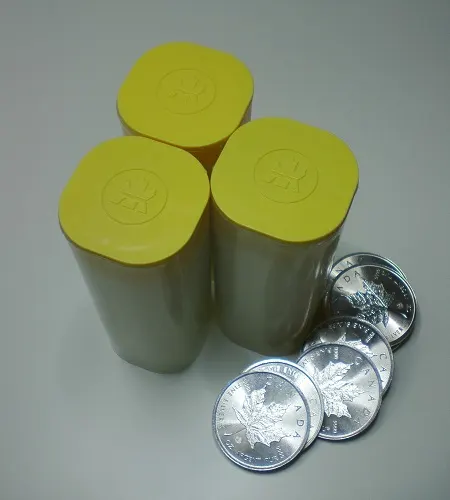
Canada moved first. The Royal Canadian Mint launched the Gold Maple Leaf in 1979, in .999 fine gold. In 1982 it raised the purity to .9999, making the Maple Leaf the purest gold bullion coin in the world. Unlike the Krugerrand, it carries a face value: $50 for the one-ounce coin. When the Krugerrand bans arrived, a lot of buyers switched to the Maple Leaf.
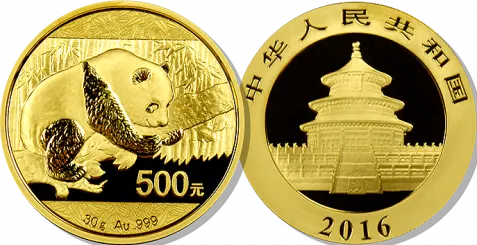
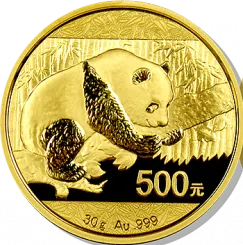
China issued its first Gold Panda in 1982, with a design by Shanghai artist Chen Jian. The panda changes almost every year, while the other side shows the Temple of Heaven in Beijing. That yearly change turned a bullion coin into something collectors chase, and early Pandas now sell for far more than their gold. Silver Pandas followed in 1983.
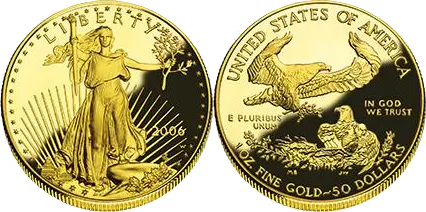
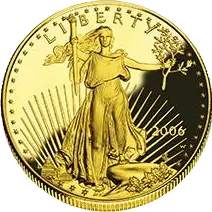
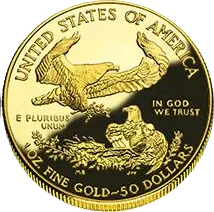
The United States answered with the American Eagle. The Gold Bullion Coin Act of 1985 authorised it, and the gold coins went on sale on 20 October 1986. The law required American-mined gold and set the purity at 22 karat, the same as the Krugerrand. The obverse revives Augustus Saint-Gaudens's Liberty from the 1907 $20 double eagle. The original reverse, a "family of eagles", was by Miley Busiek.
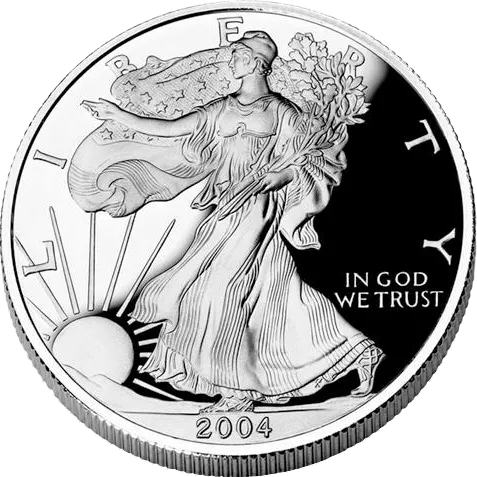
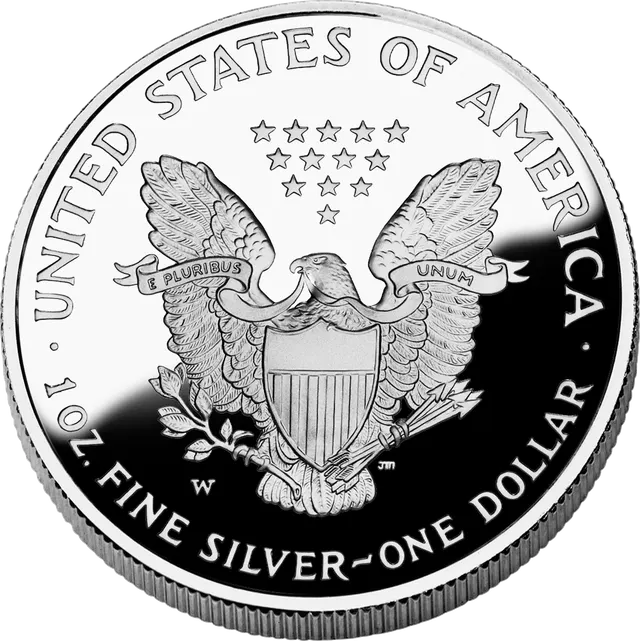
A silver version went on sale on 1 September 1986. It uses Adolph Weinman's Walking Liberty design from the old half dollar, with a heraldic eagle by John Mercanti on the back. The Mint struck more than 5.39 million of them in the first year.
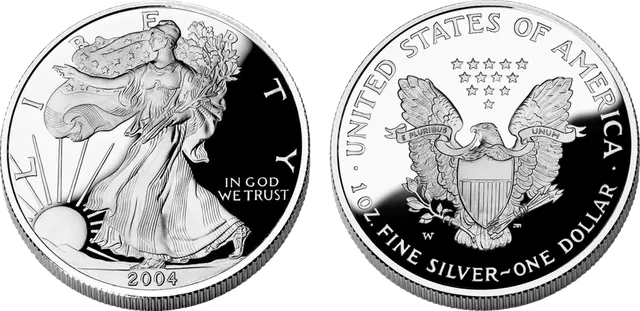
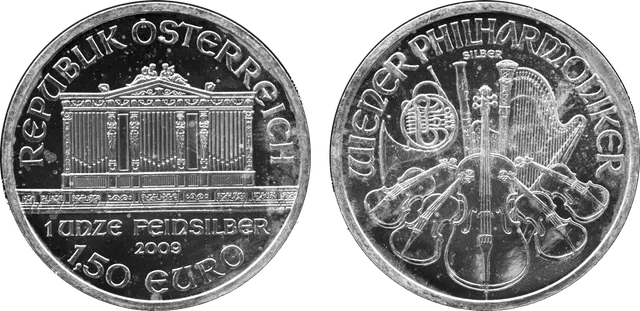
Then came Britain's Britannia in October 1987 (22 karat at launch) and Austria's Vienna Philharmonic on 10 October 1989, in 24-karat gold, with the organ of Vienna's Golden Hall on one side and orchestra instruments on the other.
22 karat or 24 karat?
The bullion coins split into two camps:
- 22 karat (91.67%): Krugerrand, American Gold Eagle, the original Britannia. Harder, with a warmer colour.
- 24 karat (99.99%): Maple Leaf, Panda, Philharmonic. Purer but softer, so they scratch and dent more easily.
Either way, a one-ounce coin holds one troy ounce of gold. The 22-karat coins are a little heavier and thicker to make up for the alloy.
More ways to store a coin: Best Coin Holders, Capsules and Flips.
The Krugerrand today
The Krugerrand never went away. More than 53 million troy ounces of gold Krugerrands have been sold since 1967. For its 50th anniversary in 2017, South Africa issued the first silver and platinum Krugerrands, keeping the same Kruger and springbok designs.
The idea it started is now normal. Almost every gold-mining country, and plenty that don't mine gold at all, sell a bullion coin priced on its metal.
Older gold for comparison: the sovereign the Krugerrand partly replaced as the investor's coin, and the double eagle whose Liberty design returned on the Gold Eagle.
Want to see the springbok land? Flip a Krugerrand or try the coin flipper.
Questions people ask
Why were Krugerrands illegal in the US?
They never were illegal to own. In October 1985 the US banned imports of new Krugerrands as a sanction against apartheid. Coins already in the country could still be held and traded, and the sanctions were lifted in 1991.
How much does a Krugerrand weigh?
A one-ounce Krugerrand weighs 33.93 grams. It contains exactly one troy ounce (31.10 g) of gold; the rest is copper, which makes the coin harder.
What is a Krugerrand worth?
A Krugerrand has no face value. It's worth the market price of one troy ounce of gold, plus a small dealer premium. Rare dates and proofs can be worth more.
When was the first Krugerrand made?
The South African Mint struck the first Krugerrands on 3 July 1967. The first year's mintage was 40,000 bullion coins plus 10,000 proofs.
What was the first bullion coin?
The Krugerrand (1967) is generally called the first modern gold bullion coin, made to sell gold to investors at its metal value. Canada's Maple Leaf (1979), China's Panda (1982) and the American Eagle (1986) followed.
Sources
- Numismatic News, "Krugerrand: Right idea at right time"
- CoinWeek, "Krugerrand: The Embargoed Bullion Coin"
- South African Mint, Product mintages
- Executive Order 12535, "Prohibition of the Importation of the South African Krugerrand" (National Archives)
- The American Presidency Project, Executive Order 12535
- Coin World, "Royal Canadian Mint's Maple Leaf bullion coins"
- CoinWeek, "A Beginner's Guide to Collecting Chinese Gold Panda Coins"
- NGC, "Panda Coins Reach 35"
- NGC price guide, Gold Eagles
- CoinWeek, "1986 American Silver Eagle Bullion Coin: A Collector's Guide"
- The Royal Mint, "Celebrate 40 Years of a Timeless Design"
- CoinWeek, "A Brief History of the Vienna Philharmonic Gold Bullion Coin"
- PCGS, "Gold Celebrates Golden Anniversary in the United States"
- Wikipedia, "Krugerrand" (cross-check only)
Coins in this story
- Krugerrand
- Maple Leaf

- Gold Panda
- American Gold Eagle
- American Silver Eagle