The History of the Coin Toss
A roundup across every era6 min read
From Rome's "heads or ships" to the Super Bowl, here's how the coin toss began, why England called it cross and pile, and if a flip is really 50/50.
People have been settling arguments by throwing something flat into the air for at least two thousand years. The object changed from a shell to a bronze coin to a Super Bowl medal, but the rules didn't: one side wins and the other loses, and nobody gets to argue with the result.
This is the story of how that worked, from Roman street games to medieval kings, a city named on a penny, and the mathematicians who found out the coin toss isn't quite fair.
Before coins: night or day
The idea is older than the coin. Greek children played a game called ostrakinda, described by the second-century writer Julius Pollux. One player threw a shell that was white on one side and blackened with pitch on the other, and called out "night" or "day" as it flew.
Two teams stood on either side of a line. Whichever colour came up, that team chased and the other ran. It was a game of tag, but the mechanism is the one we still use: a flat object, two marked sides, and a call made before it lands.
Rome: "heads or ships"
Rome gave us the first coin toss we can name. Writing in the early 400s AD, Macrobius says in his Saturnalia that Roman boys threw coins in the air and shouted capita aut navia, "heads or ships". (You'll also see it written navia aut caput.)
The names came straight off the coin. Rome's bronze as carried the two-faced god Janus on one side and the prow of a ship on the other. Macrobius explains the ship with a legend: the god Saturn arrived in Italy by sea, and Janus, who welcomed him, put a ship on his coins to remember it.
By Macrobius's day those old bronzes had long stopped circulating, yet the boys kept the call. It's one of the earliest examples of something we'll see again. The coin changes, and the words stay.
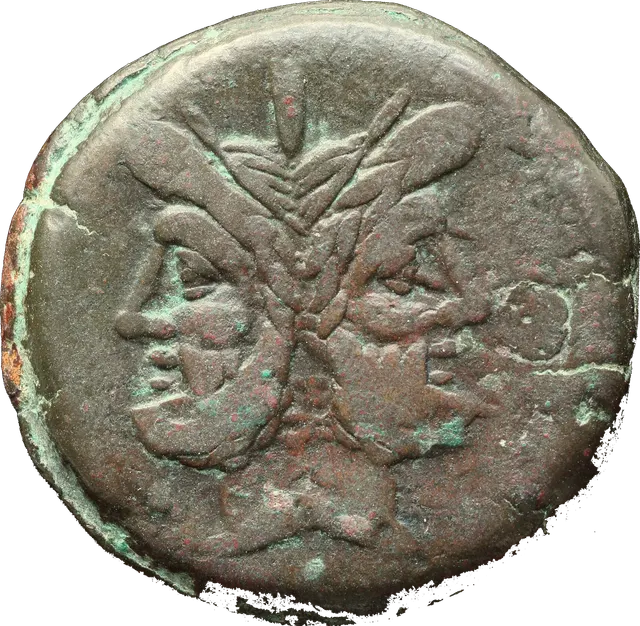
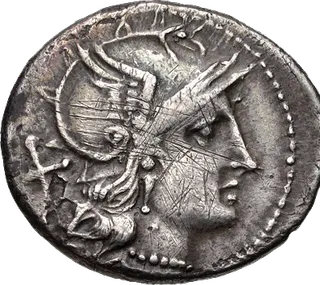
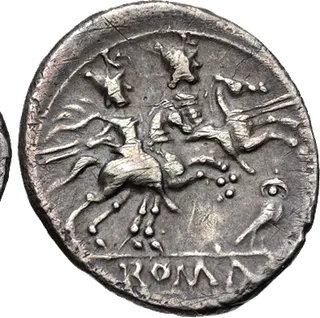
Rome's silver coin, the denarius, had its own heads and tails. If you want the full line-up of Roman money, from the bronze as to gold, read Roman Coins: A Guide to Every Denomination.
England: cross and pile
Medieval England played the same game under a different name: cross and pile. Most English silver pennies of the period carried a large cross on one side, so "cross" was one call. "Pile" meant the other side. The word is usually traced to the pile, the lower die that a coin was struck on.
The game wasn't just for children. In 1801 the antiquarian Joseph Strutt went through the wardrobe accounts of King Edward II (reigned 1307–1327) and found the king borrowing money to play cross and pile. One entry repays the king's barber, Henry, for money lent for the game. Another records money lost to Piers Bernard, an usher of the king's chamber.
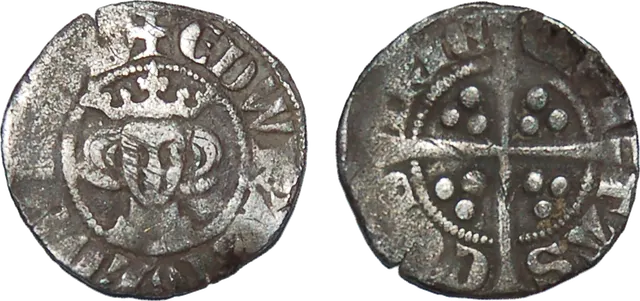
Other places named the toss after their own coins. In Ireland, where the coins carried a harp, people called "heads or harps". The English version eventually settled on heads or tails. The "tails" side rarely shows an actual tail. The name seems to have stuck simply because a tail is the opposite of a head.
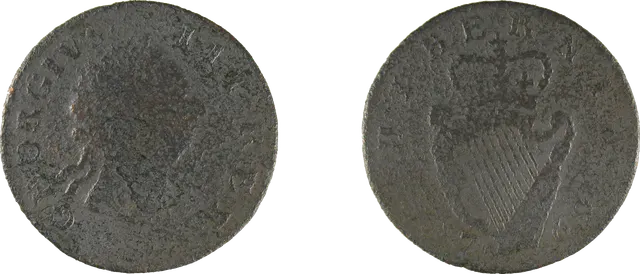
For the coins people were actually flipping in these centuries, see Medieval Coins of Europe: Pennies, Groats and Bracteates.
The penny that named a city
In 1845, two settlers on the Willamette River couldn't agree on a name for their new town. Asa Lovejoy wanted to name it after his home city, Boston. Francis Pettygrove wanted Portland, after his home in Maine.
They settled it with a penny, best two out of three. Pettygrove won, which is why the largest city in Oregon isn't called Boston.
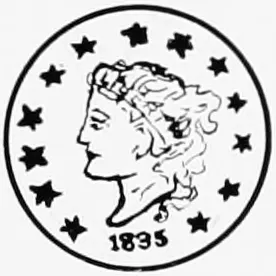
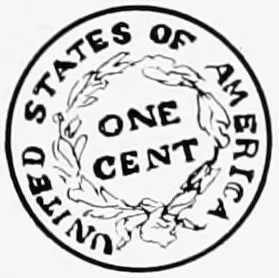
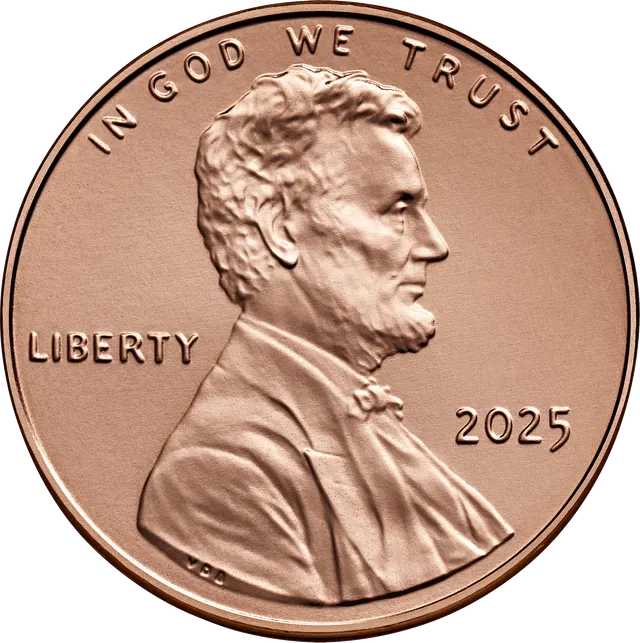
The coin itself survives. It's an 1835 US large cent, now known as the Portland Penny, and it's on display at the Oregon Historical Society in Portland. To see how the US cent grew from that big copper coin into today's small one, read The History of the Penny or flip one on the US penny page.
Who flies first?
The coin toss even had a hand in the first powered flight. On 14 December 1903 at Kill Devil Hills, North Carolina, Wilbur and Orville Wright tossed a coin to decide who would pilot first. Wilbur won. His attempt stalled and damaged the Flyer slightly.
After the repairs, it was Orville's turn. On 17 December he flew for 12 seconds and covered 120 feet. So the brother who lost the toss is the one in the history books.
The toss goes pro
Sport made the coin toss famous.
Cricket. The captains have tossed for the right to bat or bowl first since long before Test cricket existed. In the first Test match, in Melbourne in March 1877, Australia's captain Dave Gregory won the toss and chose to bat. Australia won by 45 runs.
Football (soccer). Before penalty shoot-outs, some drawn matches were settled by a coin. The best-known case is the semi-final of the 1968 European Championship. Italy and the Soviet Union drew 0–0 after extra time. Italy's captain Giacinto Facchetti called tails, called it right, and Italy went on to win the tournament.
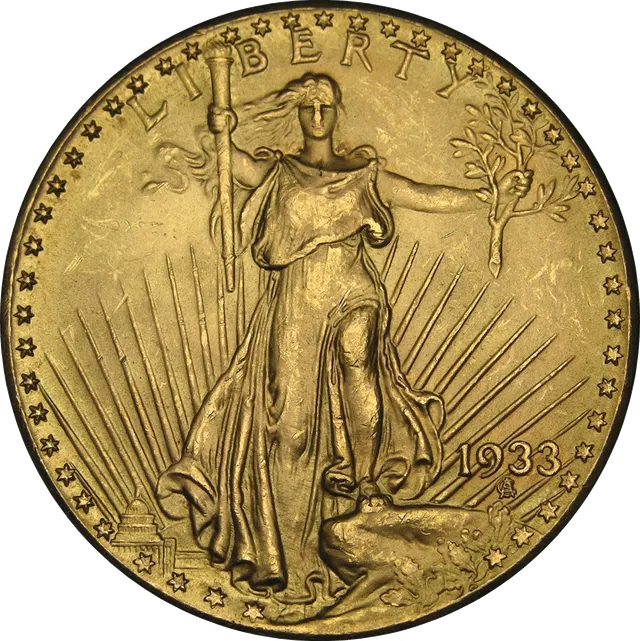
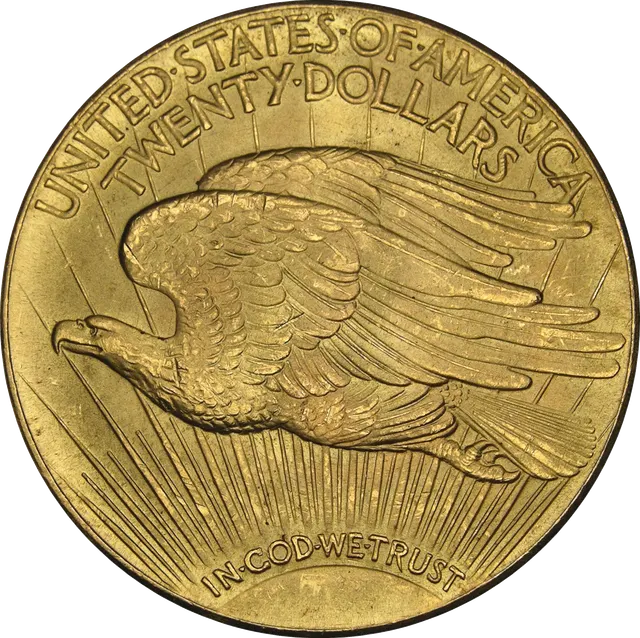
The NBA draft. From 1966 to 1984, the first pick of the NBA draft went to whichever of the two worst teams won a coin flip. The very first flip used a 1907 $20 gold piece, a double eagle. In 1984 the Houston Rockets won the toss against Portland and drafted Hakeem Olajuwon. After that toss, the league replaced the coin with a lottery.
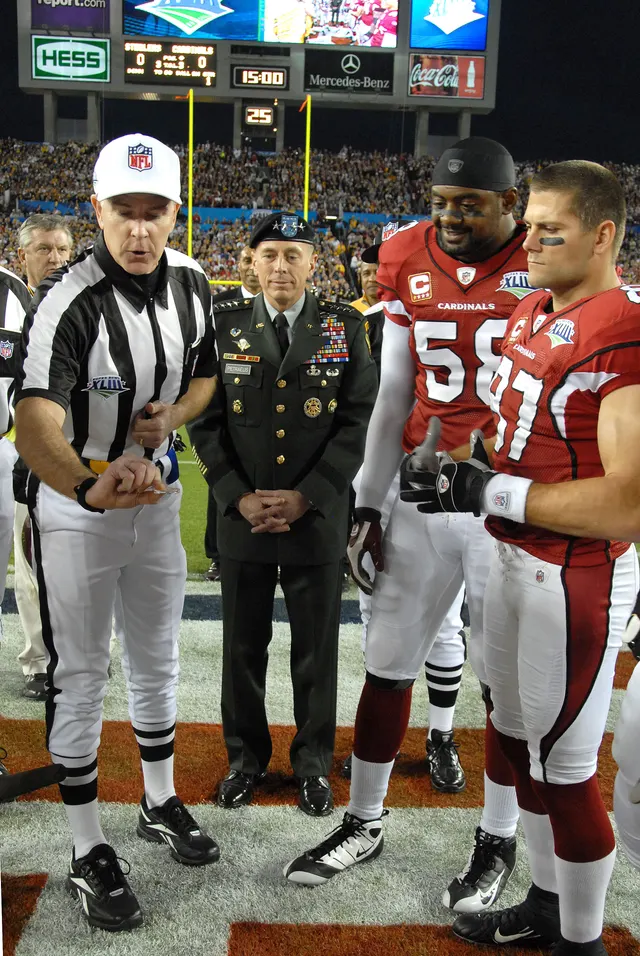
The Super Bowl. The NFL opens every game with a coin toss, and the Super Bowl's is the most watched. At Super Bowl I in January 1967, referee Norm Schachter did the honours. Since 1992 the toss has used a special medal from the Highland Mint in Florida. Each year's coin is part of a numbered run, and the actual toss coin is number one.
Is a coin toss really 50/50?
For centuries, everyone assumed the answer was yes, and the experiments seemed to agree. While interned in Denmark during the Second World War, the mathematician John Kerrich tossed a coin 10,000 times with a fellow prisoner. They got 5,067 heads, very close to half.
But "close to half" isn't the same as fair. In 2007, the Stanford statistician Persi Diaconis and his colleagues Susan Holmes and Richard Montgomery studied the physics of a flip. A real coin doesn't just spin end over end. It also wobbles, a bit like a plate spinning on a table, and that wobble means it spends slightly more of its time in the air showing the side it started on.
Their model predicted that a coin caught in the hand lands on the same side it started about 51% of the time. They also built a mechanical flipper that landed the same side up every time, which shows a flip is just physics.
In 2023, a team led by František Bartoš put the theory to the test with 48 people and 350,757 flips of coins from 46 countries. The coins landed on their starting side 50.8% of the time, almost exactly what the model predicted. The bias varied from person to person. They found no meaningful difference between heads and tails themselves.
What does that mean in practice? If you can see which side is up before the flip, call that side, and you'll be right about 51 times in 100. It's a tiny edge. Over one toss you'll never notice it, but it's there.
Why we still flip coins
We have random number generators and apps for everything, and people still reach for a coin. It's quick, everyone can see it happen, and the loser can't really argue with it. That's the same reason Roman boys shouted "heads or ships" two thousand years ago.
Every coin in this story was flipped by someone with something riding on it. You can flip any of them yourself in our coin gallery, or go straight to the coin flipper and settle your own argument.
Questions people ask
Where does "heads or tails" come from?
The game is at least 2,000 years old. Roman children called capita aut navia, "heads or ships", after the Janus head and ship's prow on Rome's bronze coins. Medieval England called it "cross and pile". "Heads or tails" is the later English name, and "tails" just means the side opposite the head.
Is a coin toss really 50/50?
Not quite. A 2007 study by Persi Diaconis, Susan Holmes and Richard Montgomery predicted that a flipped coin lands on the side it started about 51% of the time. A 2023 experiment with 350,757 flips found 50.8%. The edge is real but tiny.
What did the Romans call a coin toss?
Capita aut navia, "heads or ships", as recorded by Macrobius in the Saturnalia in the early 400s AD. The name came from the bronze as, which showed the god Janus on one side and a ship's prow on the other.
What was "cross and pile"?
The medieval English name for heads or tails. English pennies had a large cross on one side, and "pile" meant the other side. King Edward II's household accounts record him borrowing money to play it.
Was a city really named by a coin toss?
Yes. In 1845 Francis Pettygrove and Asa Lovejoy flipped a penny, best two out of three, to name their town. Pettygrove won and chose Portland over Boston. The 1835 penny is on display at the Oregon Historical Society.
Sources
- Macrobius, Saturnalia, Book 1, chapter 7 (trans. P. V. Davies, Columbia University Press, 1969): the Janus/ship legend and capita aut navia.
- Julius Pollux, Onomasticon, via the Britannica entry "Ostrakinda"
- Portable Antiquities Scheme, "Coin Relief 42: Bronze coinage of the Roman Republic"
- Joseph Strutt, The Sports and Pastimes of the People of England (1801), on cross and pile and Edward II's wardrobe accounts. See also A Way with Words, "Cross and Pile"
- Silver Branch Heritage, "Heads or harps: Penny traditions"
- Oregon Encyclopedia (Oregon Historical Society), "Portland Penny" by Chet Orloff
- National Park Service, Wright Brothers National Memorial, "1903: The First Flight"
- UEFA, "Coin toss takes Italy to EURO 1968 final after USSR stalemate"
- CBS Sports, "Complete history of the NBA Draft Lottery"
- Numismatic News, "Coin Clinic: Super Bowl Coin Toss Coins"
- Cricket Australia, "150 Years of Test Cricket History"
- J. E. Kerrich, An Experimental Introduction to the Theory of Probability (1946). Summary from the University of Oslo course notes
- P. Diaconis, S. Holmes and R. Montgomery, "Dynamical Bias in the Coin Toss", SIAM Review 49(2), 2007
- F. Bartoš et al., "Fair coins tend to land on the same side they started: Evidence from 350,757 flips" (2023), reported by Phys.org
Coins in this story
More coin pagesQuarter