Coin Clipping, Debasement and Gresham's Law
Part 5 of the Origins series7 min read
Why people shaved silver off coins, how rulers debased money, and how Newton's Great Recoinage gave coins the ridged edges you can still feel on a quarter today.
Run your thumbnail around the edge of a US quarter and you'll feel a ring of fine ridges. Nobody added those for grip. They're a leftover from a crime that, for centuries, could get you executed: shaving silver off the edge of a coin.
This is the story of how money got lighter. Sometimes criminals did it with shears. Sometimes kings and emperors did it at the mint. Either way, people noticed, and they changed how they spent their coins. An English financier's name ended up attached to the rule that explains what they did.
What is coin clipping?
For most of history, a silver or gold coin was worth roughly the metal inside it. The stamp told you who made it and what it was supposed to weigh. The metal was the value.
Hand-hammered coins were rarely perfect circles. Their edges were uneven to begin with, so a thin sliver trimmed from the rim was hard to spot. A clipper would take a little from each coin that passed through their hands, then pass the coin on at full face value. The clippings went into a pot, got melted into a lump of silver, and were sold as bullion.
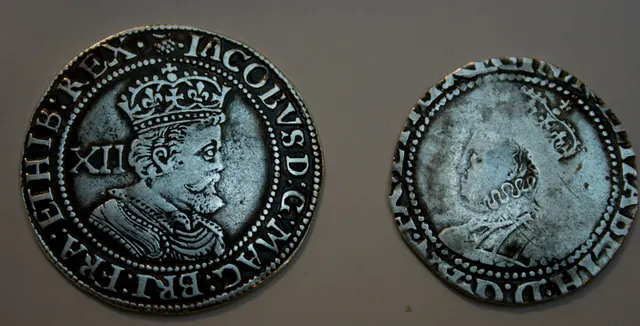
Clipping had cousins. "Sweating" meant shaking coins together in a bag and collecting the dust that wore off. Filing did the same job more crudely. All of it robbed the next person who accepted the coin.
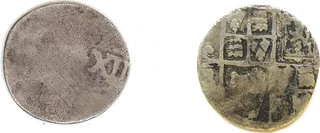
In England, clipping the king's coin counted as high treason under a statute of 1415. The punishments matched. In October 1690, Thomas and Anne Rogers were tried at the Old Bailey for clipping forty silver coins. Investigators found shears, a file and a parcel of clipped money in their house. Both were convicted of treason. He was sentenced to be hanged, drawn and quartered. She was sentenced to be burned.
Debasement: when the mint does the clipping
Clipping was a private crime. Debasement was the same trick done by whoever controlled the mint: put less silver in each coin, keep the face value the same, and spend the difference.
Rome's shrinking denarius
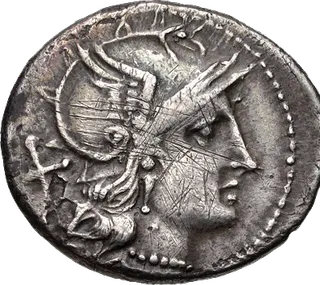
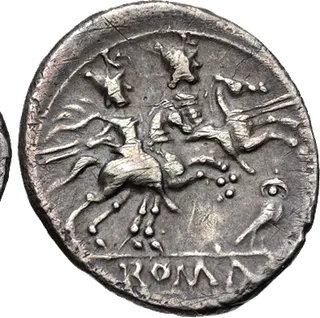
Rome's silver denarius started out as a coin of almost pure silver weighing about 4 grams. It stayed close to that standard for a long time. Under Nero, in the 60s AD, the mint cut both the weight and the silver content, to about 3.4 grams at roughly 90 percent silver.
The cuts kept coming. In AD 215 Caracalla introduced a new coin, now called the antoninianus. It was tariffed at two denarii but held only about as much silver as one and a half. By the 260s, under Gallienus, antoniniani were bronze coins with a thin silver wash, often less than 5 percent silver. Prices rose, and people lost faith in the coinage.
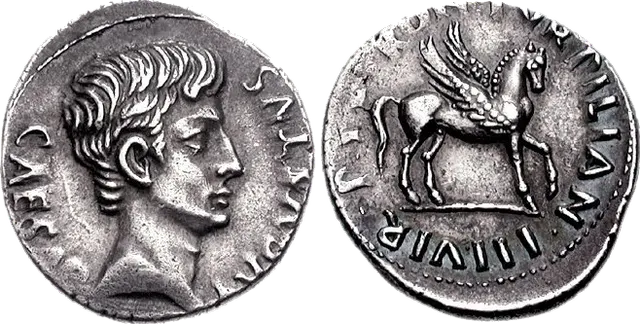
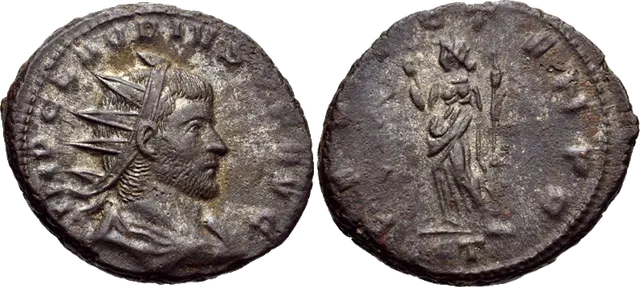
Aurelian tried to restore order with a reform in 274. The full story of how Rome's main silver coin lost its shine is in The Denarius: How Rome's Silver Coin Lost Its Shine.
Henry VIII and "Old Coppernose"
England ran the same experiment in the 1540s. Henry VIII needed money for his wars, and between 1544 and 1551 the mint cut the silver in English coins from the sterling standard of 92.5 percent to 50 percent in 1545, then to about a third in 1547. Historians call it the Great Debasement.
The new coins were mostly copper with a silver surface. On the testoons (early shillings) that showed the king facing forward, the silver wore off the highest point first: his nose. The coppery tip earned Henry the nickname "Old Coppernose".
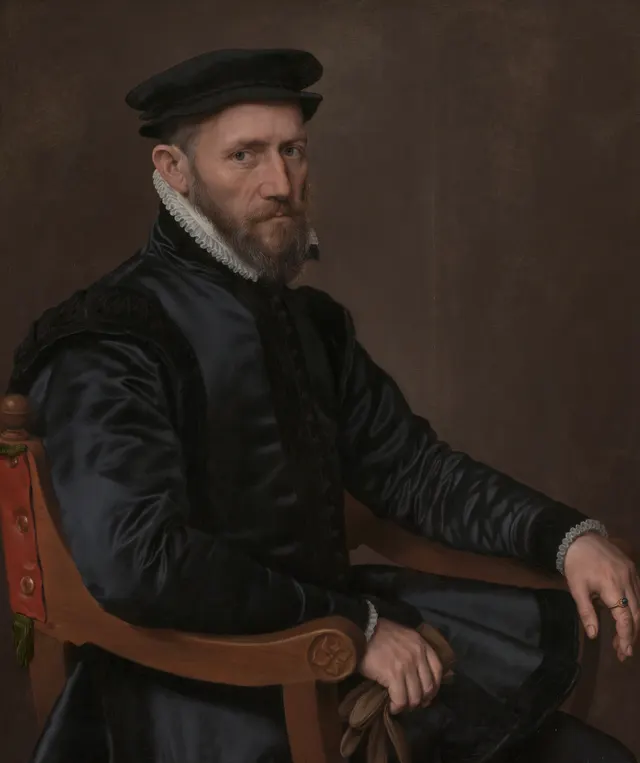
Elizabeth I cleaned up the mess. In 1560, with Sir Thomas Gresham's help, her government called in the debased coins. Officials in each town stamped the better base shillings with a portcullis and the worse ones with a greyhound, then the mint melted them down and struck new coins at the old standard.
Gresham's law: bad money drives out good
Gresham's law is usually summed up as "bad money drives out good." Here's what that means in practice.
Imagine you have two shillings in your pocket. One is full weight. The other has been clipped. The law says shopkeepers must accept both as one shilling. Which one do you spend?
You spend the clipped one and keep the good one. Maybe you save it, or melt it, or send it abroad where it's valued by weight. Everyone else makes the same choice. Before long, the coins changing hands are the light, worn and clipped ones, and the good coins have vanished into drawers and melting pots.
There's one condition. Gresham's law only applies when the state forces good and bad money to pass at the same face value. If people can price coins freely, they simply charge more when you pay in bad coin, and the good coin keeps circulating.
The name is a bit unfair to everyone else who noticed it. The economist Henry Dunning Macleod coined the term "Gresham's law" in 1858, after the Tudor financier who had explained the problem to Elizabeth I. But the idea is far older. In The Frogs (405 BC), the playwright Aristophanes compared Athens choosing bad politicians to the city spending its shoddy new coins while its fine old silver ones went unused. The French scholar Nicole Oresme described it in the 14th century, and Nicolaus Copernicus wrote about it in the 1520s.
You can watch Gresham's law work in living memory. The Coinage Act of 1965 took silver out of US dimes and quarters. The new clad coins and the old 90 percent silver coins were worth the same at the store, so people spent the new ones and kept the old. Within a few years, silver coins had all but disappeared from American pocket change. (See the US quarter and US dime pages.)
The 1690s: a currency in crisis
By the 1690s, England had two kinds of silver coin circulating side by side.
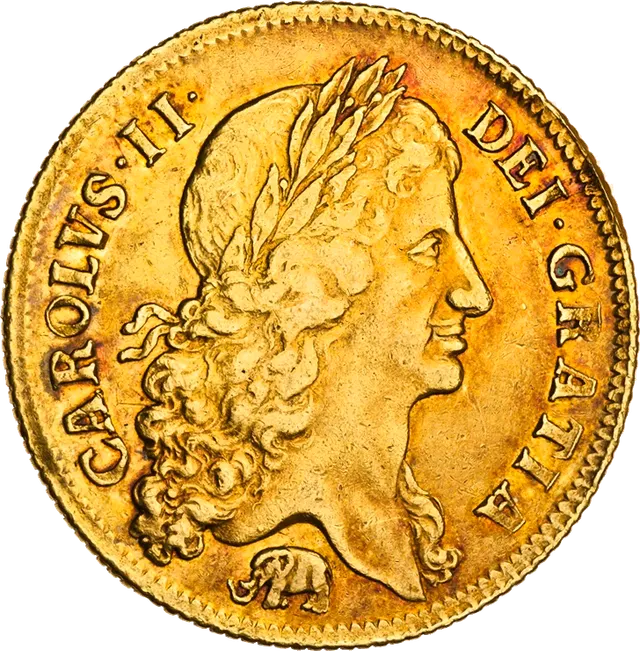
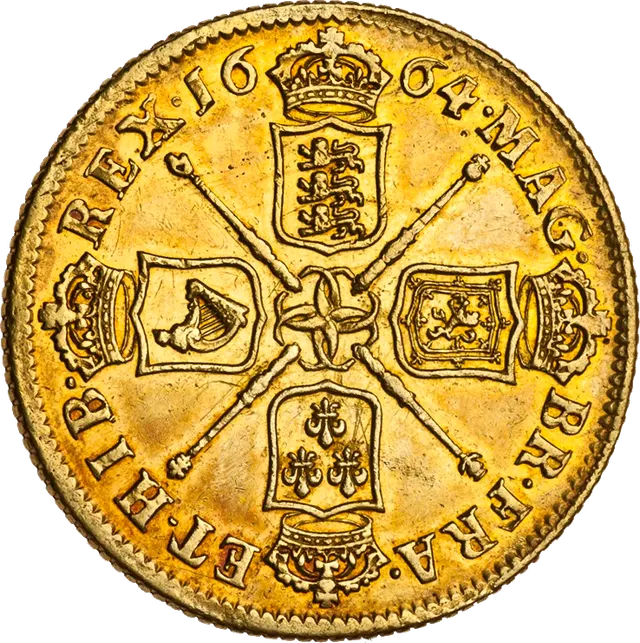
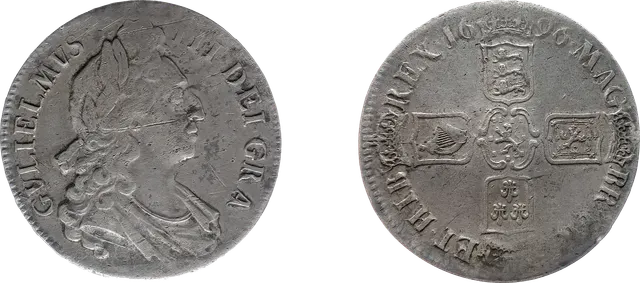
The first was old hammered silver, some of it a century old, much of it badly clipped. The second was the new machine-made coinage the Royal Mint had produced since 1662. Machine-struck coins were perfectly round, with patterned or lettered edges that showed at a glance if anyone had trimmed them. (How that machinery arrived is covered in From Hammer to Machine: How Minting Changed.)
Gresham's law did the rest. The good milled coins were hoarded, melted, or shipped abroad. The clipped hammered coins stayed in circulation because nobody wanted to keep them. Counterfeiters made it worse: by one estimate, about a tenth of the coins in circulation by 1696 were fakes.
The government argued about what to do. William Lowndes at the Treasury proposed recoining at a lower standard, so each shilling would officially contain less silver. The philosopher John Locke argued the opposite: recoin at the old standard and keep the shilling's value honest. Locke won.
In January 1696, Parliament passed an act to fix the coinage. Clipped hammered coins were called in, with deadlines for handing them over. To speed things up, the Royal Mint opened five temporary branch mints, in Bristol, Chester, Exeter, Norwich and York. Parliament made up the losses on the clipped coins partly with a brand-new tax on windows.
It worked, eventually. The Great Recoinage produced around £6.8 million in new silver coin. But the short term was rough. Old coins were withdrawn faster than new ones could be struck, coin ran short, and rents and debts went unpaid for a while.
Isaac Newton, Warden of the Royal Mint
In the spring of 1696, Isaac Newton left Cambridge to become Warden of the Royal Mint. The post had long been treated as a comfortable sinecure. Newton treated it as a job.

He oversaw the recoinage, and his friend Edmond Halley served as deputy comptroller of the branch mint at Chester. He also took on the Warden's duty of pursuing counterfeiters and clippers. Between June 1698 and Christmas 1699, Newton conducted more than 100 interrogations of witnesses, informers and suspects. His best-known target was William Chaloner, a forger and con man who had tried to discredit the Mint. Newton built the case, and Chaloner was hanged at Tyburn on 22 March 1699.
Newton became Master of the Mint at the end of 1699 and held the post until he died in 1727.
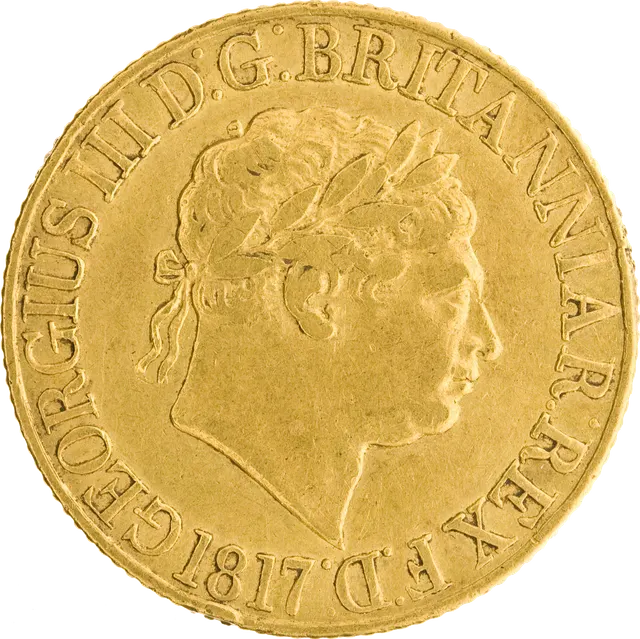
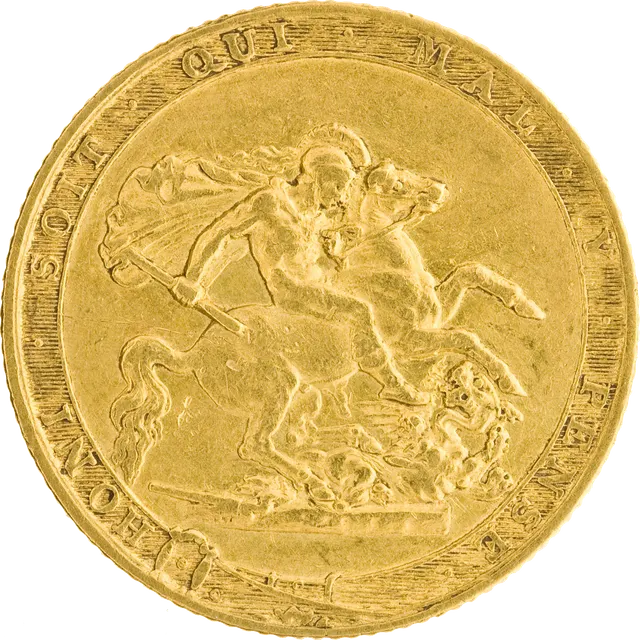
His Mint career has one more Gresham's law twist. In 1717 Newton reported on the value of the gold guinea against silver, and the government fixed the guinea at 21 shillings. That rate valued gold slightly higher than it was valued in the rest of Europe. Silver coins were worth more melted down and sent abroad, so that's where they went. Without anyone planning it, Britain drifted onto a gold standard. It made that official in 1816, and the modern gold sovereign followed in 1817.
A popular story says Newton invented the ridged edge. He didn't. Milled and lettered edges had been on English coins since 1662. What the Great Recoinage did was put nearly every silver coin in the country onto that standard at once.
Why your coins still have ridges
The edge lettering on the largest English coins read DECUS ET TUTAMEN, Latin for "an ornament and a safeguard." The safeguard was the point. If the words or the pattern on the edge were cut away, everyone could see it.

The fine vertical grooves on many coins are called reeding. The US Mint used reeded edges on its gold and silver coins from the start, for the same reason. After 1965, dimes and quarters no longer contained precious metal, but they kept their reeding. Today the ridges help people and vending machines tell coins apart by touch and by edge.
So the next time you flip a coin, run a finger round the rim. You're feeling a security feature designed to stop people like Thomas and Anne Rogers.
Questions people ask
What is coin clipping?
Coin clipping was the practice of shaving small amounts of precious metal from the edges of gold or silver coins, then spending the lighter coin at full face value. The clipper melted the shavings and sold the metal. In England it was treated as high treason.
What is Gresham's law in simple terms?
Gresham's law says that when two kinds of money must be accepted at the same face value, people spend the worse one and keep the better one. Over time the "bad" money is what circulates, and the "good" money is hoarded, melted or exported.
What is the difference between clipping and debasement?
Clipping was done by individuals, who trimmed metal from finished coins. Debasement was done by the issuer: the mint reduced the weight or the silver content of new coins while keeping the same face value. Both made coins worth less than they claimed to be.
Why do coins have ridges on the edge?
Ridged (reeded) and lettered edges made it obvious if anyone had shaved metal off a gold or silver coin. Coins like the US dime and quarter no longer contain silver, but the ridges remain and help people and machines tell coins apart.
Did Isaac Newton invent the milled coin edge?
No. Machine-made English coins had milled and lettered edges from 1662. Newton joined the Royal Mint in 1696 and oversaw the Great Recoinage, which replaced England's old clipped hammered silver with the new edge-protected coins.
Sources
- Newton and the Mint project, University of Oxford, "The Great Recoinage" and "Newton and Locke"
- Royal Mint Museum, "Charles II"
- The Royal Mint, "The Great Debasement and Tudor Coins"
- Royal Society, "Trouble at the Mint" (2022)
- University of Cambridge, "Naughty money: clippers and coiners in 16th-century England"
- Proceedings of the Old Bailey, trial of Thomas and Anne Rogers, 15 October 1690, ref. t16901015-36
- Numismatic News, "Coin counterfeiters met with death"
- MoneyMuseum (Sunflower Foundation), "The Fall of the Roman denarius"
- Federal Reserve Bank of Cleveland, "The Tale of Gresham's Law" (Economic Commentary, 2005)
- Encyclopaedia Britannica (1911), "Gresham's Law"
- World Gold Council, "The rise of the gold standard, 1660 to 1819", and Newton's report of 21 September 1717
- Littleton Coin Company blog, "'Reeded' edges on American coinage"
- Wikipedia, "Great Recoinage of 1696", "William Chaloner" and "Coinage Act of 1965" (used only to cross-check)