Coin Collecting for Beginners: The Starter Kit
Updated
As an Amazon Associate we earn from qualifying purchases.
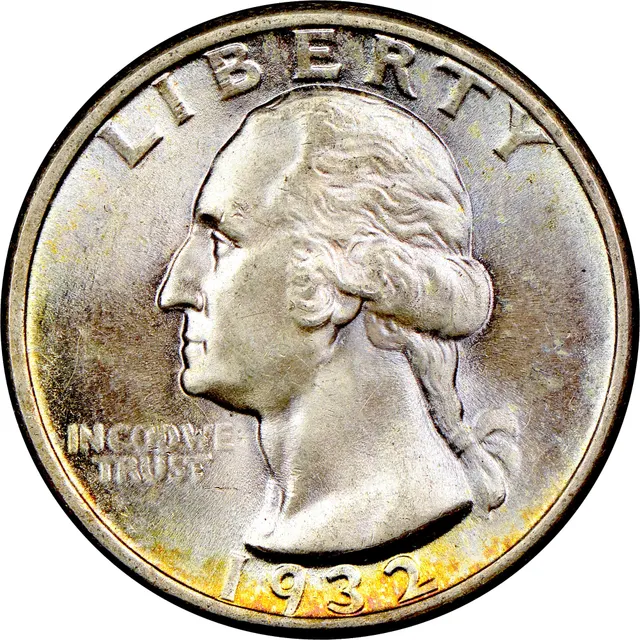
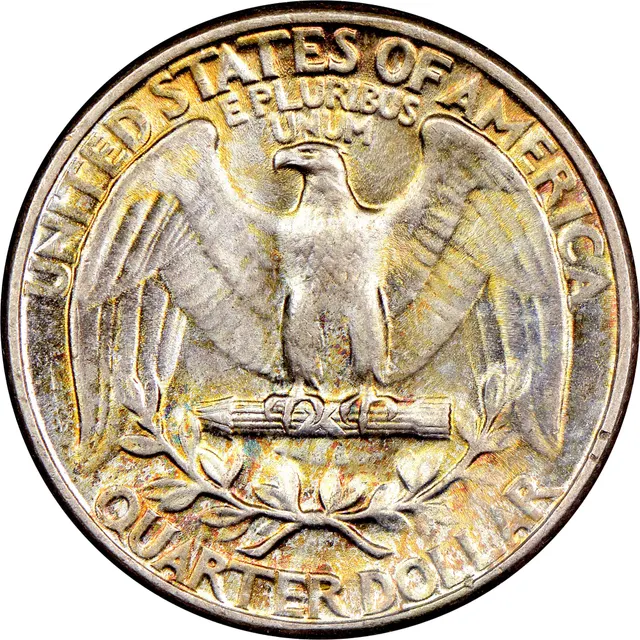
You don't need much to start collecting coins. Most people begin with a jar of pocket change and a vague sense that some of it might be interesting. That's a fine start. What a small kit adds is a way to look at coins properly and keep them from getting worse while they sit in your drawer.
This guide covers the handful of supplies that matter in your first year, who each one suits, and where the cheaper option is good enough. We haven't hands-on tested every product listed. The picks are based on what conservators and the big collector organizations recommend, plus the specs each maker publishes.
Start with the book
There's an old line in the hobby: buy the book before the coin. The American Numismatic Association puts education first in its own rules for collectors, for a simple reason. A book tells you which dates and mint marks are scarce, what the grades mean, and what a coin roughly sells for. Without that, you can't tell a common 1964 quarter from a better one.
For US coins, the standard reference is A Guide Book of United States Coins, which everyone calls the Red Book. A new edition comes out every year. The spiral-bound version lies flat on a desk, which helps when you're checking dates against a pile of coins.
If you collect world or ancient coins, the Red Book won't help much. Our guide to coin collecting books (coming soon) covers references for other areas.
Handle coins by the edge
The surfaces of a coin are where its value lives. Skin oils and the salt in sweat can leave fingerprints that tone into permanent marks, especially on copper and on proof coins with mirror-like fields. The rule every guide repeats is to hold a coin by its rim, between thumb and forefinger, and never touch the faces.
Two tools make this easier.
Coin tongs. Tongs with soft, plastic-coated tips let you pick a coin up off a table and turn it over without your fingers going near it. They're the cheapest upgrade in this guide and probably the one you'll use most. The trade-off is that they take some practice. Squeeze too hard and a small coin can shoot off across the room, so work over a soft cloth or a towel.
Coin gloves. Gloves are where advice gets mixed, so here's the honest version. The Canadian Conservation Institute recommends clean cotton gloves for silver, because the sulphur in latex can tarnish it, and says cotton or plastic gloves are fine for other metals. Plenty of experienced collectors prefer powder-free nitrile instead, since cotton reduces your grip and can trap grit that leaves fine scratches. Whichever you choose, keep them clean and don't wear them so long that they get grimy.
If gloves feel clumsy, the conservation institute also mentions finger cots as an option. And if you're only sorting pocket change, careful edge-handling with clean, dry hands is what most people do.
See the details with a 10x loupe
Most of what makes one coin worth more than another is small: a doubled date, a faint mint mark, light wear on the high points of a design. A 10x loupe is the standard magnifier in the hobby. Stronger lenses sound better but show a tinier area and are harder to focus, so 10x is where most people stop.
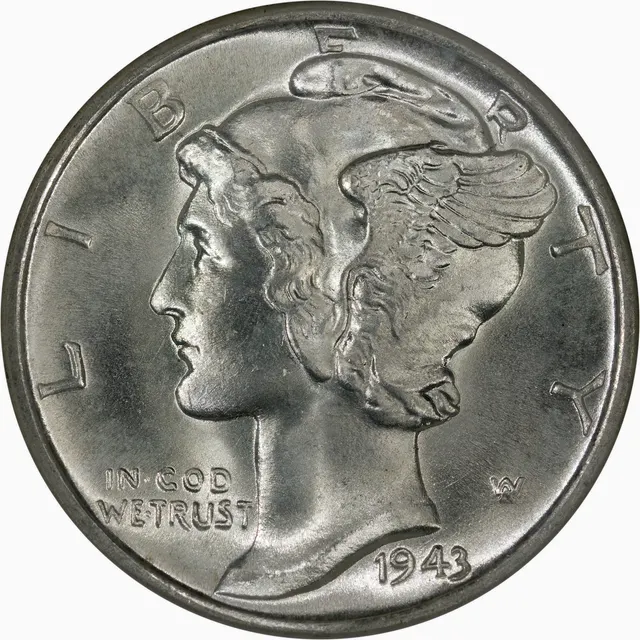
Look for a "triplet" loupe, which bonds three lenses together to cut down on colour fringing at the edges. The BelOMO 10x triplet is a long-standing favourite among collectors and jewellers. It costs more than a basic plastic magnifier. If you're not sure you'll stick with the hobby, a cheap loupe will do for a few months. You'll notice the difference when you upgrade.
We go deeper on magnifiers in our loupe guide (coming soon).
Store coins in PVC-free holders
This is the part beginners most often get wrong, and it's the one that can actually damage coins.
Older soft plastic flips are made with PVC. Over time the plasticizers that keep PVC soft leach out and react with the metal. The Canadian Conservation Institute warns that this is "particularly corrosive to copper alloy coins, producing a green corrosion product commonly called green slime." On silver it often shows up as a green haze. NGC, one of the major grading services, runs a conservation service that removes this residue, which tells you how common it is.
The fix is easy. Use holders made from inert, archival plastics: polyester (often sold as Mylar), polyethylene, polypropylene, polystyrene or acrylic. Avoid anything soft, floppy and smelling faintly of a shower curtain. Also keep coins out of oak boxes and cheap paper envelopes, which can give off acidic vapours.
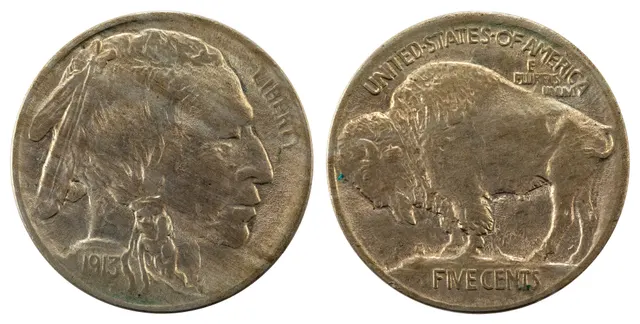
For a starter kit, two kinds of holder cover almost everything.
2x2 cardboard flips. These are folded cardboard squares with a clear polyester window. You put the coin in, fold the holder and staple it shut, then write the date and details on the cardboard. They're cheap, easy to label, and they file neatly into storage boxes. The downside is the staples. Flatten them with pliers so they can't scratch the coins next to them, and be careful when you open a flip later. Buy the size that matches your coin, because a loose fit lets the coin rattle.
Direct-fit capsules. Hard, clear capsules sized to one denomination give better protection and look nicer. They suit the coins you care about most: your best silver, a proof, anything you'd hate to see scratched. They cost more per coin and take more space, so few people put an entire collection in them.
Our holders guide compares flips, capsules and slabs in more detail.
Pick a folder and a goal
Collecting goes better with a target. The ANA's rules suggest specializing early, since it lets you learn one area properly instead of buying a bit of everything.
A coin folder gives you that target in physical form. It's a cardboard sheet with a labelled hole for every date and mint mark in a series. You press the coins in and watch the gaps close. Lincoln Memorial cents are a good first series because so many are still in jars and change bowls. The US Mint struck its last circulating penny on November 12, 2025, so the series now has a fixed end, and every cent you find will stay part of that finished story.
Folders are great for learning and terrible for long-term storage. The coins' faces stay exposed and the card isn't archival. Treat a folder as a fun way to fill a set, then move your better coins to flips or capsules.
Albums and storage boxes get their own guide (coming soon).
Keep it all in one box
Once you have more than a few dozen flips, a single-row storage box keeps them upright, in order and away from dust. Cardboard boxes made for 2x2 holders are cheap and stackable. Keep the box somewhere dry with a steady temperature, rather than an attic, basement or garage. Damp air speeds up toning and corrosion.
What to skip for now
A few things can wait.
Don't clean your coins. It's the most common beginner mistake, and it almost always lowers a coin's value. Polishing, coin dips and baking soda all strip the surface. Collectors and dealers can spot a cleaned coin quickly.
Hold off on expensive "starter kits" that bundle a dozen low-quality items. You'll usually get more from buying the few pieces above separately.
A coin scale and calipers are useful once you start buying older silver and gold, because weight and diameter help expose fakes. They're not urgent for pocket change. Our guide to scales and calipers (coming soon) covers that.
A starter kit at a glance
| You want to | Get |
|---|---|
| Know what you have | The Red Book (or a reference for your area) |
| Handle coins safely | Plastic-tipped tongs, plus cotton or nitrile gloves |
| See dates, mint marks and wear | A 10x triplet loupe |
| Store everyday coins | 2x2 cardboard flips with polyester windows, and a storage box |
| Protect your best coins | Direct-fit hard capsules |
| Build a set from change | A Whitman folder for one series |
Where to go next
Coins are more fun when you know where they came from. Read how the first coins were struck by hand in How the First Coins Were Made, or follow the cent from 1793 to its last strike in The History of the Penny. When you have a coin you like, find it in the coin gallery and give it a flip.
Questions collectors ask
What do I need to start coin collecting?
A reference book such as the Red Book, plastic-tipped coin tongs, a 10x loupe and some PVC-free holders, usually 2x2 cardboard flips. Add cotton or nitrile gloves if you'll handle silver or proof coins. That covers most beginners for their first year.
Should you wear gloves when handling coins?
For valuable, silver or proof coins, yes. The Canadian Conservation Institute recommends cotton gloves for silver, because the sulphur in latex can tarnish it. Many collectors use powder-free nitrile for better grip. For ordinary pocket change, holding coins by the rim with clean, dry hands is usually enough.
Are PVC coin flips bad for coins?
Yes, over time. Soft PVC flips release plasticizers that can leave a sticky green residue and corrode the surface, especially on copper and silver. Use holders made from polyester (Mylar), polyethylene, polypropylene or hard acrylic instead.
Should I clean old coins?
No. Cleaning almost always lowers a coin's value, and collectors can usually tell. Polishes, dips and abrasive cloths strip the original surface. If a coin has dirt or residue you're worried about, ask a dealer or a professional conservation service first.
What is a good first coin series to collect?
Pick something you can find in circulation and fill cheaply, such as Lincoln Memorial cents or state quarters. A folder for that series gives you a clear goal. Once you know what you enjoy, the ANA suggests narrowing your focus so you can learn that area well.
Sources
- Canadian Conservation Institute, Basic Care of Coins, Medals and Medallic Art, CCI Notes 9/4
- NGC Conservation, "Winning Against PVC Residue", 2026
- American Numismatic Association, "10 Rules of Coin Collecting" and "Basics Every Coin Collector Should Know"
- Royal Canadian Mint, "Coin Care"
- United States Mint, press release on the final circulating one-cent strike, November 2025
Coins in this guide
- HTPennyUnited States
- HTFlying Eagle centUnited States
- HTNickelUnited States
- HTBuffalo nickelUnited States
- HTDimeUnited States
- HTMercury dimeUnited States
- HTQuarterUnited States