Best Magnifiers and Loupes for Coins
Updated
As an Amazon Associate we earn from qualifying purchases.
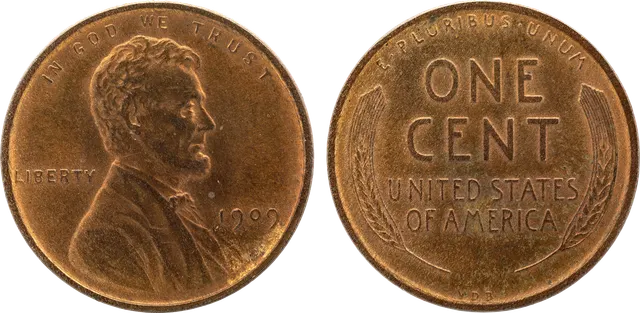
Most of what separates a common coin from a good one is small. A mint mark the size of a grain of rice. Light rub on Lincoln's cheek. A date that's doubled by a fraction of a millimetre. You can't judge any of that by eye, so a magnifier is usually the second thing a collector buys, right after a guide book.
The good news is that you don't need much. Here's what strength to buy, which type suits which job, and eight magnifiers worth a look, with the trade-offs of each.
What strength do you need?
Less than you might think. The American Numismatic Association says most numismatists grade with a 7x loupe and step up to 10x to 14x to hunt for tiny die varieties. It also warns that anything above 14x has you "practically looking through the coin."
PCGS says the same thing in different words. The loupes you'll find on graders' desks run from 5x to 10x, and anything stronger is mostly kept for spotting fakes, attributing varieties and checking specific problems.
NGC even writes magnification into its grading scale. A coin graded 70, the top grade, is one with no post-production imperfections at 5x.
So a sensible kit is one loupe around 10x for detail work. If you can, add something weaker for judging the whole coin. Higher numbers on a box aren't better. They show you a smaller patch of the coin and make focusing harder.
Why "triplet" matters
A triplet loupe has three glass lenses bonded together. The outer two cancel out most of the colour fringing and blur that a single lens gives you at the edges. The ANA's advice is simply to look for the word "triplet" on the box. A "Hastings triplet" is the classic design, and you'll see that name on a lot of listings.
How to use a loupe properly
Most beginners hold the loupe near the coin and lean in. That's backwards.
- Hold the loupe right up to your eye, almost touching your eyebrow or your glasses.
- Bring the coin up toward the loupe until it snaps into focus. At 10x that's roughly an inch away.
- Light the coin from one side with a single lamp, then tilt it slowly. Scratches, hairlines and worn spots appear and disappear as the angle changes.
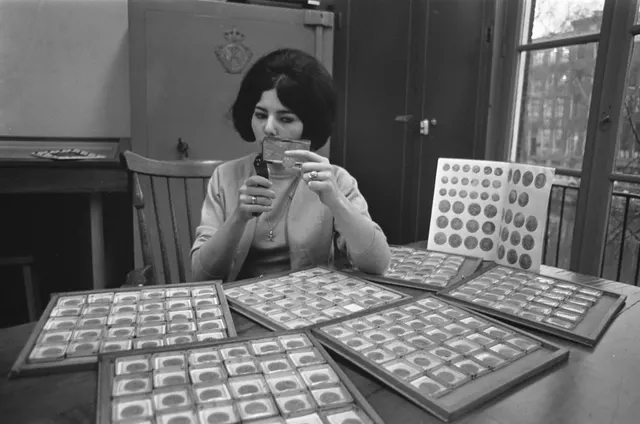
PCGS describes the same method: loupe at the eye, a few millimetres away, then bring the coin to the glass. Both PCGS and NGC suggest a single desk lamp with an ordinary incandescent bulb. NGC adds a useful caution. Look at the coin with your bare eyes first, and use the loupe to check what you've already spotted. If you start with magnification, you'll find faults everywhere and grade too harshly.
Keep the coin safe while you look
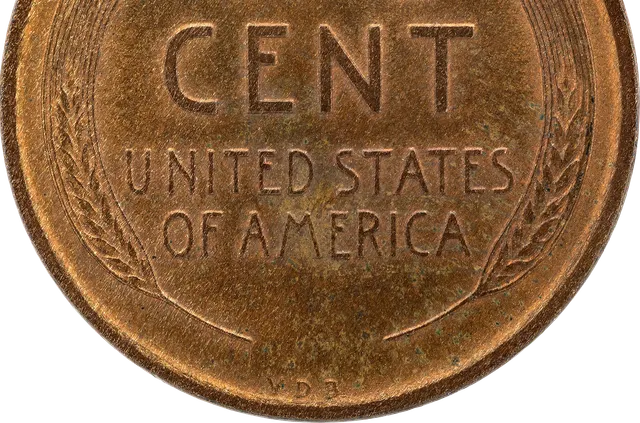
Magnifiers make people lean in close, and that's how coins get spotted. CoinWeek's handling guide warns that a tiny drop of saliva from talking or sneezing over an uncirculated coin can turn into dark specks later. On copper these are called carbon spots.
A few habits help:
- Hold coins by the edge, between thumb and forefinger.
- Work over a soft cloth or pad, so a dropped coin lands on something soft.
- Don't talk while a coin is under your nose.
- If the coin is in a capsule or slab, leave it there. You'll get some glare from the plastic, but a hard capsule is still the safest place for it. (See our guide to PVC-free holders and capsules.)
- Never touch the coin with the loupe or rest the coin on the lens.
Loupes: the best value for detail work
A built-in light is handy if you look at coins at shows or away from a good lamp. The trade-off is that the light comes from straight ahead, which can wash out the surface of a shiny coin. A side lamp usually shows more.
Stand magnifiers and magnifying glasses: easier on the eyes
Not everyone gets on with a loupe. If you wear glasses, have shaky hands or are setting up a kid with a first collection, a stand magnifier or a big handheld glass is more relaxed to use.
A stand magnifier sits on the table over the coin, so both hands stay free and the focus is already set. A handheld magnifying glass shows the whole coin at once, which is how you should judge eye appeal anyway.
Coin microscopes: for photos and error hunting
A digital coin microscope is a camera with a magnifying lens. It shows the coin on a screen and lets you save photos. That's handy for sharing a coin on a forum, keeping a record of your collection, or hunting die varieties, where you want to compare one coin against a reference photo.
The downsides are size and fuss. You need a desk, a power cable and sometimes a computer. They're also more than a beginner needs. Buy a loupe first and add a microscope if you find yourself chasing errors.
What to practise on
Start with what's in your pocket. Find the mint mark on a few dimes and quarters. Look for wear on the high points of a design, like Lincoln's cheek on a cent or the hair above Liberty's ear on a Morgan dollar.
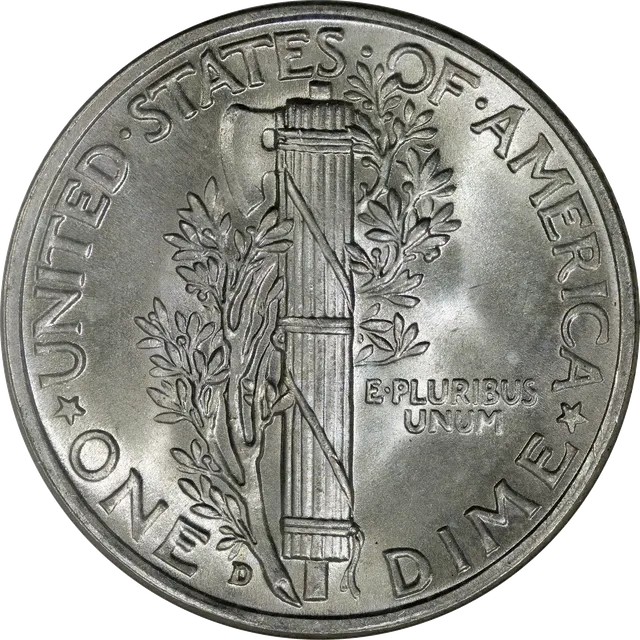
On a Mercury dime, the mint mark is a small letter on the reverse, at the bottom, to the left of the bundle of rods. It's an easy first target for a 10x loupe.
Keep reading
- New to the hobby? The coin collecting starter kit covers the rest of the basics: a guide book, tongs, gloves and holders.
- For the holders to keep your coins in, see Best Coin Holders, Capsules and Flips.
- To check weight and size as well as detail, see Coin Scales and Calipers: Spotting Fakes (coming soon).
- Want to know why old coins show hammer marks under a loupe? Read How the First Coins Were Made: Dies, Hammers and Fire.
- The cent in our photos has a long story of its own: The History of the Penny.
- Or just flip a coin.
Questions collectors ask
What magnification is best for looking at coins?
For most collectors, a 10x loupe. The ANA says most numismatists grade at around 7x and use 10x to 14x to hunt for small die varieties. PCGS says graders' loupes run from 5x to 10x. Anything much stronger shows a tiny area and is mainly used to spot fakes and varieties.
Is a jeweler's loupe good for coins?
Yes. A 10x jeweler's loupe with a triplet lens is the standard coin magnifier. It's small enough to carry to a coin show, and the three-lens design keeps the image sharp out to the edges.
Should I buy a loupe or a magnifying glass?
A loupe is better for detail like mint marks, die doubling and small scratches. A larger, weaker magnifying glass is easier on the eyes and shows the whole coin at once, which is useful for judging overall look. Many collectors keep one of each.
Do I need a digital coin microscope?
Not to start. A microscope is useful for photographing coins and hunting varieties, but it's bulkier and slower to use than a loupe. Buy a 10x loupe first.
How do you use a loupe on a coin?
Hold the loupe right up to your eye, then bring the coin toward it until it's in focus, about an inch away at 10x. Light the coin from the side with one lamp and tilt it slowly. Hold the coin by its edges and don't talk over it.
Sources
Coins in this guide
- HTPennyUnited States
- HTFlying Eagle centUnited States
- HTMercury dimeUnited States
- HTDimeUnited States
- HTMorgan dollarUnited States
- HTBuffalo nickelUnited States