Nickels, Dimes and Quarters: How America's Change Evolved
Part 31 of the Americas series5 min read
Why is a dime smaller than a nickel? How America's small change began as silver, lost it in 1965 and got the presidents and designs in your pocket today.
Pull the change out of your pocket and you're holding three coins that started life as silver. The dime and the quarter were silver for 170 years. The nickel was meant as a stand-in for a silver coin. And all three still carry signs of it, if you know where to look.
Here's how America's everyday change got its sizes, its metals and its faces.
Three silver coins from 1792
The Coinage Act of 1792 set up the US Mint and listed the coins it would make. Three of them were small silver pieces: the half disme (5 cents), the disme (10 cents) and the quarter dollar (25 cents). "Disme" came from an old French word for a tenth. The s was dropped within a few years.
The half disme came first. In July 1792, before the Mint building was ready, about 1,500 were struck in the cellar of John Harper, a Philadelphia saw-maker. Thomas Jefferson, then Secretary of State, supplied the silver and took delivery of the coins.
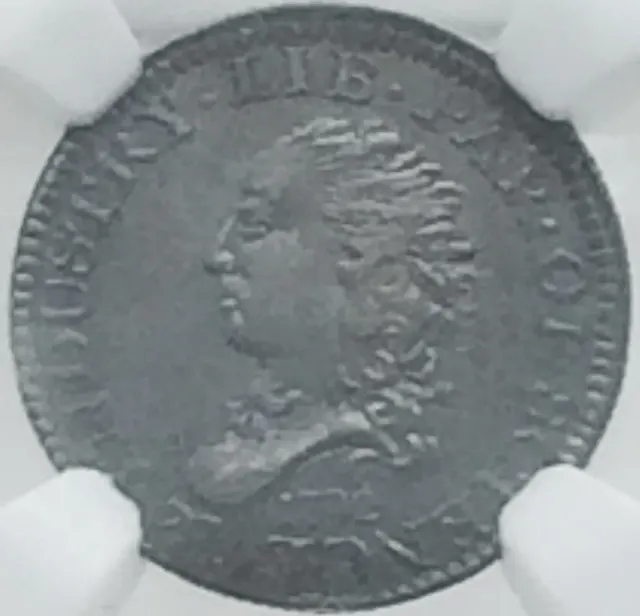
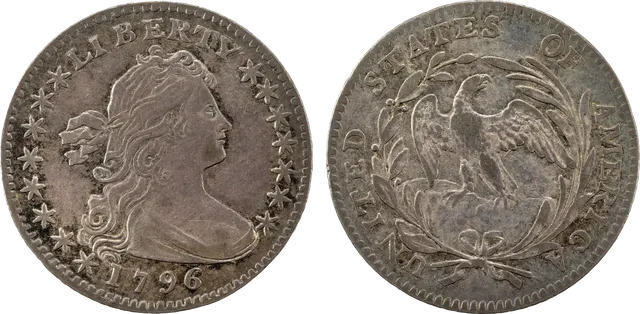
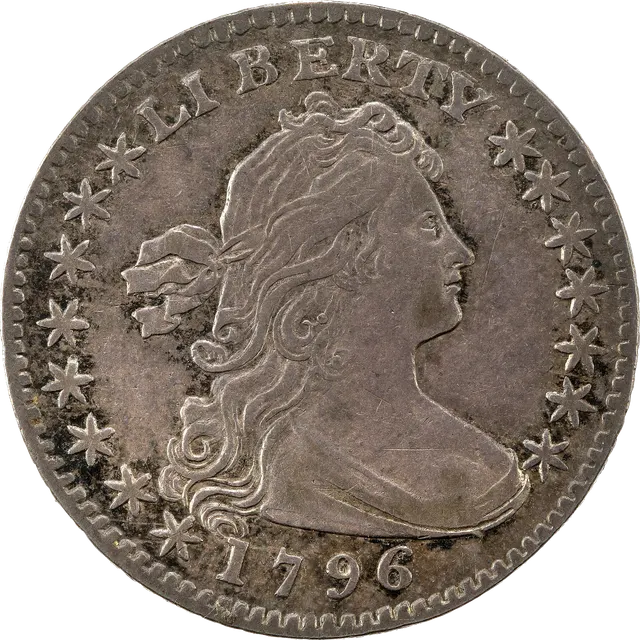
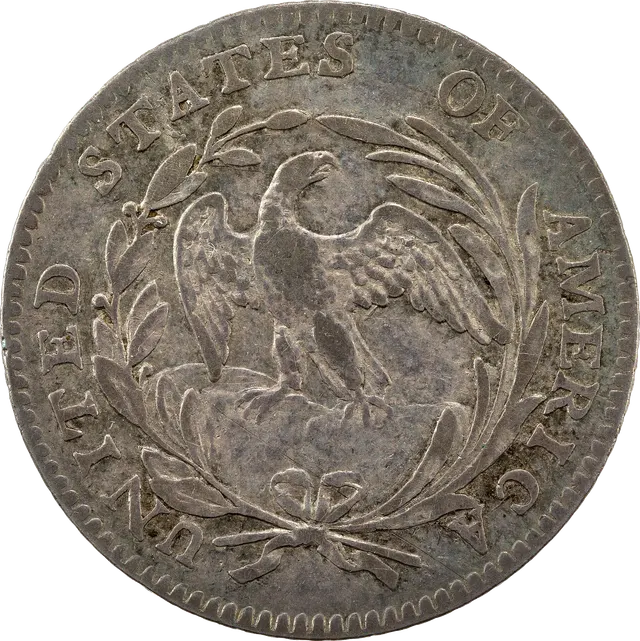
Regular coins took longer. Half dimes dated 1794 were delivered in 1795, and the first dimes and quarters were struck in 1796. Only 6,146 quarters were made that year. For their first years none of the three said what it was worth. You were expected to know a coin by its size.
Why a dime is smaller than a nickel
Early silver coins were sized by the metal inside them. A dime held twice the silver of a half dime, and a quarter held two and a half times the silver of a dime. So the half dime was tiny and the dime was small.
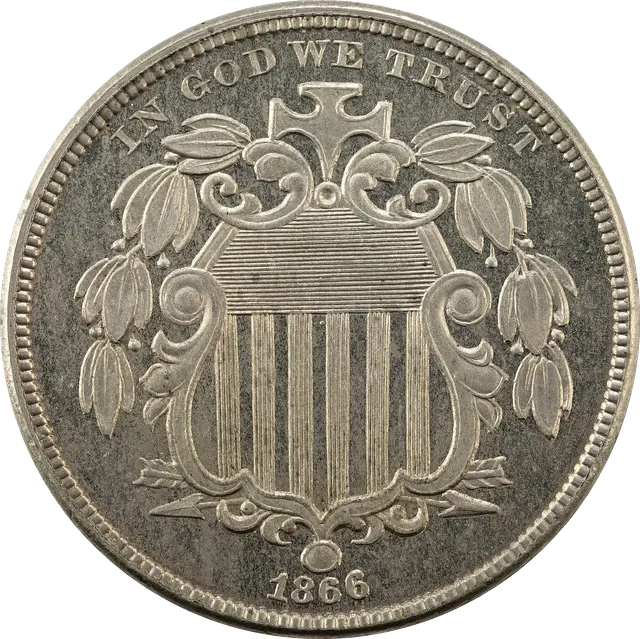
That made sense until the Civil War. In 1862 people hoarded every coin with silver or gold in it, and small change vanished. The government tried paper "fractional currency" and then base-metal coins. A three-cent piece in copper-nickel came out in 1865. A year later, the Act of May 16, 1866 created a five-cent coin in the same alloy: 75% copper and 25% nickel. People called it a "nickel" straight away.
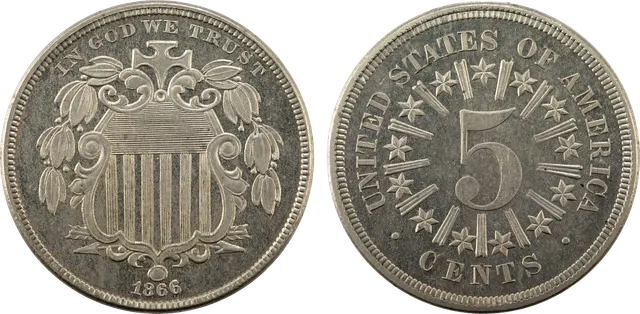
A coin with no silver had to be big to feel like it was worth five cents. So the nickel came out larger than the silver dime, and it still is. Today the dime is 17.91 mm across, the nickel 21.21 mm and the quarter 24.26 mm.
For a few years the US had two five-cent coins, the silver half dime and the copper-nickel nickel. The Coinage Act of 1873 ended the half dime, along with the tiny three-cent silver piece that had been made since 1851 to buy stamps.
Odd coins that didn't last
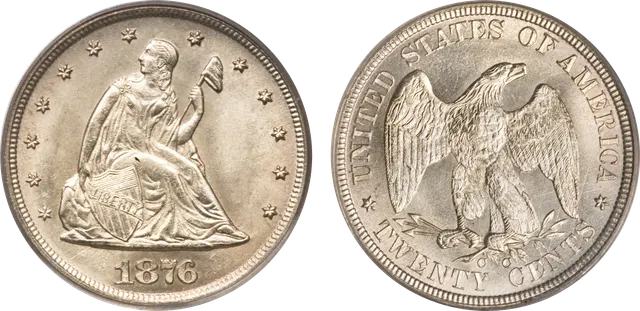
Not every experiment worked. The twenty-cent piece of 1875 looked almost the same as a quarter, with the same seated Liberty and nearly the same size. People mixed them up, and it was struck for circulation only in 1875 and 1876.
The nickel had a famous mistake of its own. The first Liberty Head nickels of 1883 showed a big Roman numeral V and no word CENTS. Some people gold-plated them and passed them off as $5 gold pieces. The Mint added CENTS later that year.
The golden age of coin design (1913–1916)
For most of the 1800s, the silver coins shared one Liberty design after another: Draped Bust, Capped Bust, Seated Liberty, and from 1892 the Barber head. A law of 1890 allowed a design to be replaced once it had been in use for 25 years. In 1907, pushed by President Theodore Roosevelt, the gold coins were redesigned by sculptors. The small change followed within a decade.
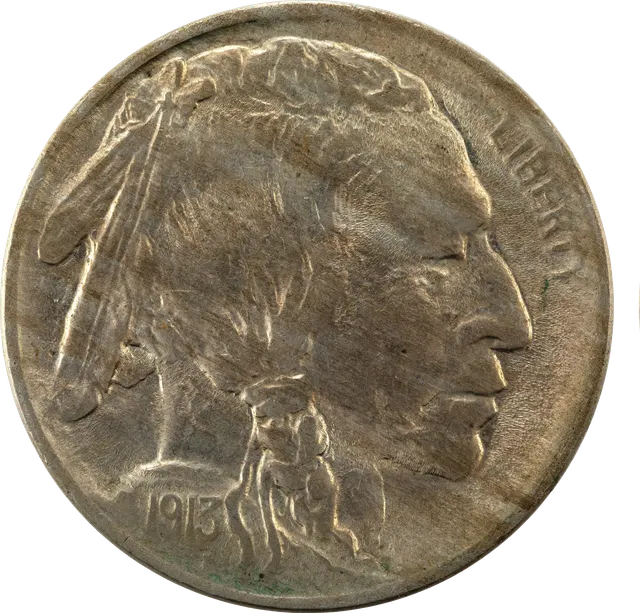
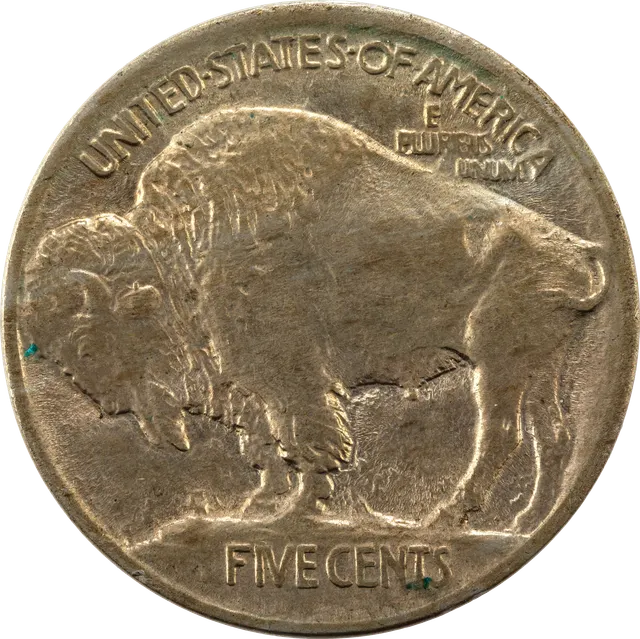
- Buffalo nickel (1913). James Earle Fraser put a Native American on the front and a bison on the back. The bison first stood on a raised mound. Later in 1913 the Mint cut the mound away so the words FIVE CENTS wouldn't wear off. The date, on Fraser's high shoulder, wore off anyway.
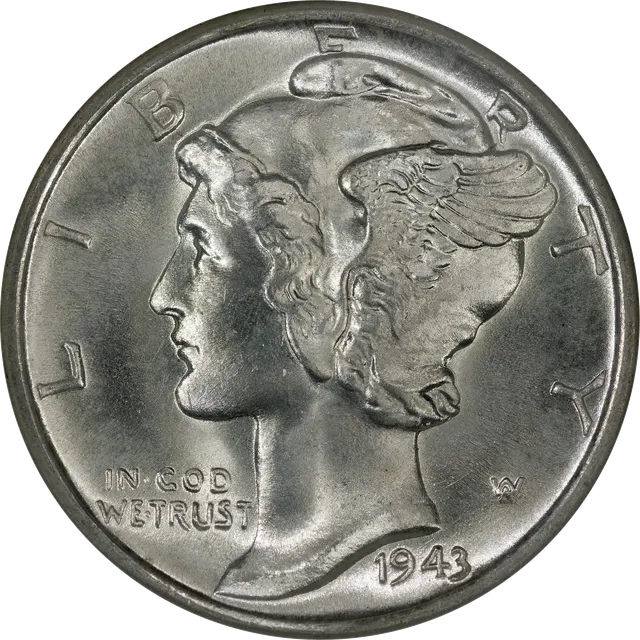
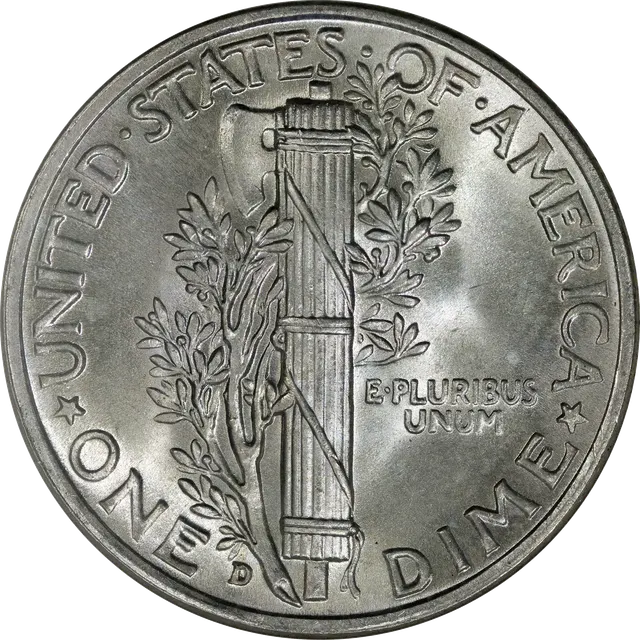
- "Mercury" dime (1916). Adolph A. Weinman's design shows Liberty in a winged cap. It's not Mercury, but the nickname stuck.
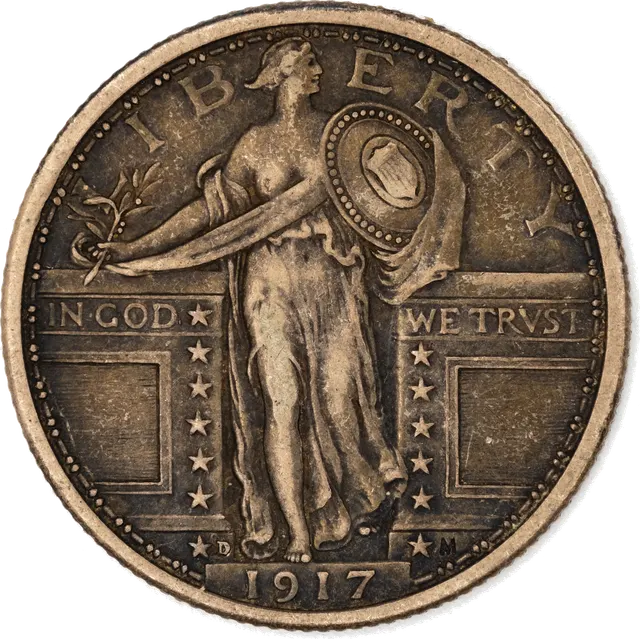
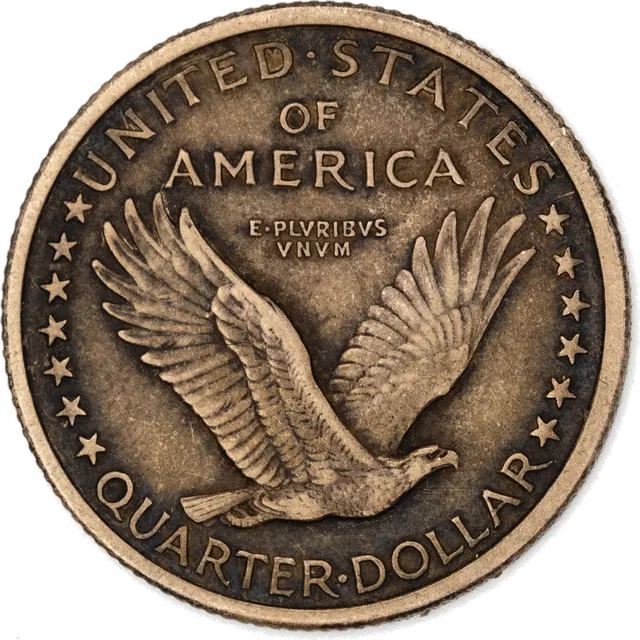
- Standing Liberty quarter (1916). Hermon A. MacNeil showed Liberty stepping through a gateway. In 1917 the design was changed and she gained a coat of chain mail. The date wore off too fast, so from 1925 it was recessed.
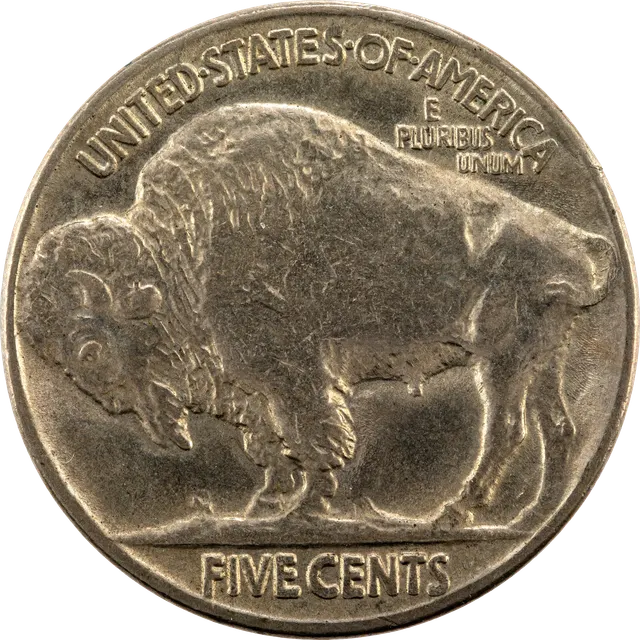
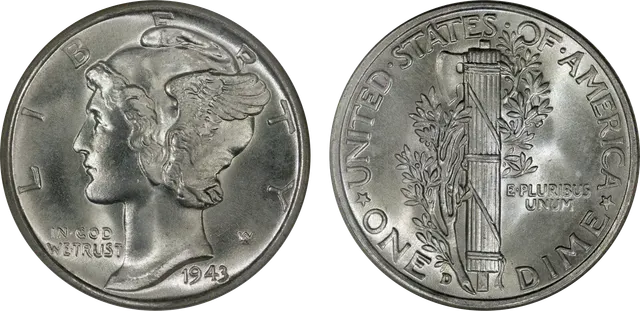
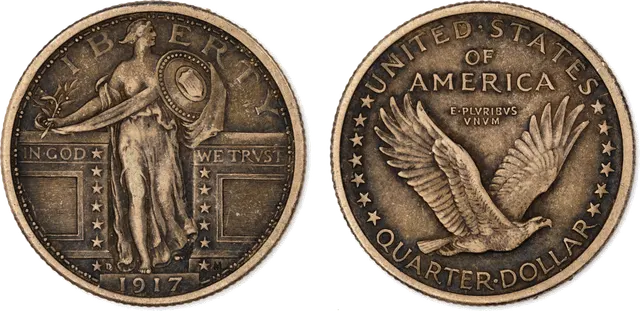
Flip the Buffalo nickel · Flip the Mercury dime
Presidents arrive (1932–1946)
The faces in your pocket today came in over 14 years.
The Washington quarter came first, in 1932, for the 200th anniversary of George Washington's birth. John Flanagan designed it. It was meant to be a one-off, but it never left.
The Jefferson nickel followed in 1938. Felix Schlag won a public design contest with Thomas Jefferson on the front and his home, Monticello, on the back.
During World War II, nickel was needed for armour plate. From late 1942 to 1945 the "nickel" contained no nickel at all. It was 56% copper, 35% silver and 9% manganese. These war nickels have a large mint mark above Monticello, and they were the first US coins to carry a P for Philadelphia.
The Roosevelt dime came out on January 30, 1946, which would have been Franklin D. Roosevelt's 64th birthday. Roosevelt had founded the group that became the March of Dimes, which raised money to fight polio, so the dime was an easy choice. John R. Sinnock designed it.
1965: the silver goes
By the early 1960s, silver was worth more than the government could keep paying for it in coins. People were hoarding again, and coins ran short.
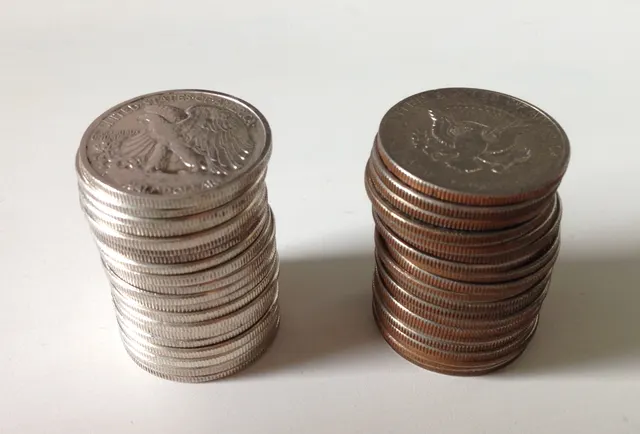
The Coinage Act of 1965, signed by President Lyndon Johnson that July, took the silver out of the dime and the quarter. New coins were "clad": a copper core between two layers of copper-nickel. The half dollar dropped to 40% silver.
That's why 1964 is the magic year. Dimes and quarters dated 1964 or earlier are 90% silver. Look at the edge. A solid silver edge means an old coin. A copper stripe means a clad coin from 1965 or later.
The nickel didn't change. Its metal has been the same 75/25 copper-nickel since 1866, apart from the war years.
Quarters become collectibles (1975–2025)
Once the silver was gone, the quarter became the coin the Mint used to tell stories.
- 1975–1976: a colonial drummer for the Bicentennial, dated 1776–1976.
- 1999–2008: the 50 State Quarters, five a year in the order the states joined the Union. The Mint says about 147 million people collected them.
- 2009: Washington, DC and five US territories.
- 2010–2021: America the Beautiful, with national parks and sites.
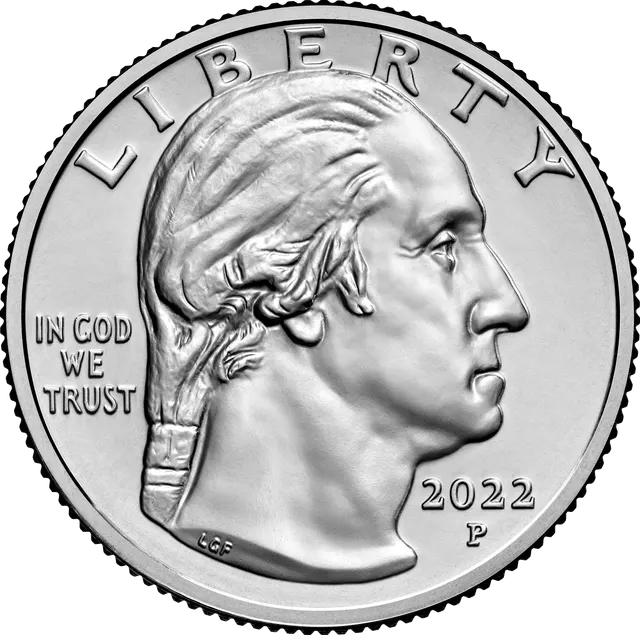
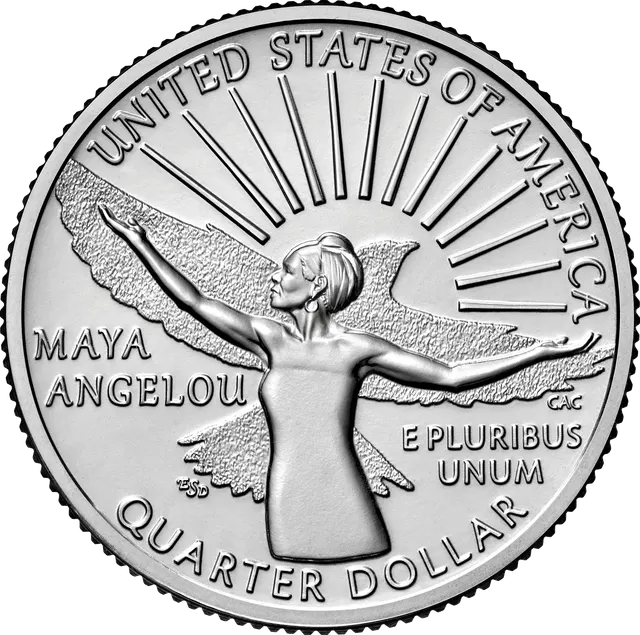
- 2022–2025: American Women Quarters, with a new portrait of Washington by Laura Gardin Fraser.
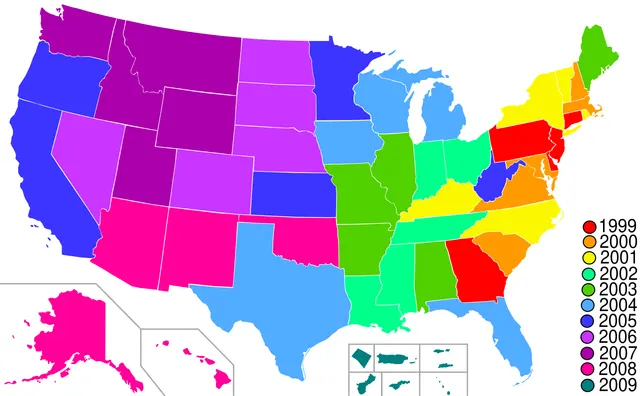
The nickel joined in for a while. In 2004 and 2005 the Westward Journey nickels marked Lewis and Clark's expedition, and in 2006 a new, forward-facing Jefferson arrived.
Change in 2026
For the country's 250th birthday, all three coins changed for 2026. The quarter has five one-year designs. The dime has a one-year Liberty design with the motto "Liberty over Tyranny" on the back, the first new dime design in 80 years. The nickel carries the double date 1776–2026.
There's a bigger shift too. The Mint struck its last circulating penny on November 12, 2025 (read the story). That leaves the nickel as the smallest coin still made for circulation, and some shops already round cash totals to the nearest five cents. It isn't cheap to make. In fiscal 2024 each nickel cost the Mint about 14 cents to make and ship. A quarter cost about 15 cents, so it still earns its keep. Just.
Want to see how they land? Flip a quarter or try the coin flipper.
Read more: The Most Circulated Coins in Every Era of History · All Americas articles
Questions people ask
When did quarters and dimes stop being silver?
After 1964. The Coinage Act of 1965 replaced the 90% silver dime and quarter with clad coins, a copper core between copper-nickel layers. Any dime or quarter dated 1964 or earlier is 90% silver.
Why is a dime smaller than a nickel?
Silver coins were sized by the metal in them, and the dime held only a little silver. The nickel came along in 1866 in cheaper copper-nickel, so it had to be bigger to feel like it was worth five cents.
Why is it called a nickel?
Because of its metal. The 1866 five-cent coin was made of copper-nickel, 75% copper and 25% nickel, and people named it after the nickel. Before that, five cents was a small silver coin called the half dime.
What was the first US five-cent coin?
The 1792 half disme. About 1,500 were struck that July, before the Mint building was ready. Regular half dimes followed with coins dated 1794.
Are silver war nickels worth more than five cents?
Yes. Nickels from 1942 to 1945 with a large mint mark above Monticello are 35% silver, so they're worth more than face value for the metal alone.
Sources
- American Numismatic Association, "A More Accurate History of the 1792 Half Disme"
- NGC, Jeff Garrett, "The True Story of the 1792 Half Disme"
- CoinWeek, "Twenty-Cent Piece, 1875–1878"
- Stack's Bowers, 1875-CC twenty-cent piece
- CoinWeek, "Nickel, Joseph Wharton, and US Coinage"
- NGC, Nickel Three Cents 1865–1889
- ANA Reading Room, "The Rise & Fall of Trimes"
- CoinWeek, Three-Cent Silver Type 1
- CoinWeek, 1913 Buffalo Nickel Type 1
- PCGS, "Centenary of the Type II Standing Liberty Quarter"
- CoinWeek, Standing Liberty Quarter Type 2
- CoinWeek, 1938 Jefferson Nickel
- Public Law 89-81 (Coinage Act of 1965), July 23, 1965
- PCGS, "Happy 50th Anniversary to the Sandwich"
- US Mint 2024 Annual Report (unit costs: nickel 13.78¢, dime 5.76¢, quarter 14.68¢)
- CoinNews on the same figures
- US Mint, Semiquincentennial circulating coin designs
- Littleton Coin, 2026 Semiquincentennial coins
- US Mint, 50 State Quarters program close (147 million collectors)
- US Mint coin specifications (diameters)
- Wikipedia: 1792 half disme, Shield nickel, Buffalo nickel, Standing Liberty quarter, Coinage Act of 1965 (cross-check only)
Coins in this story
- Half dime
- Nickel
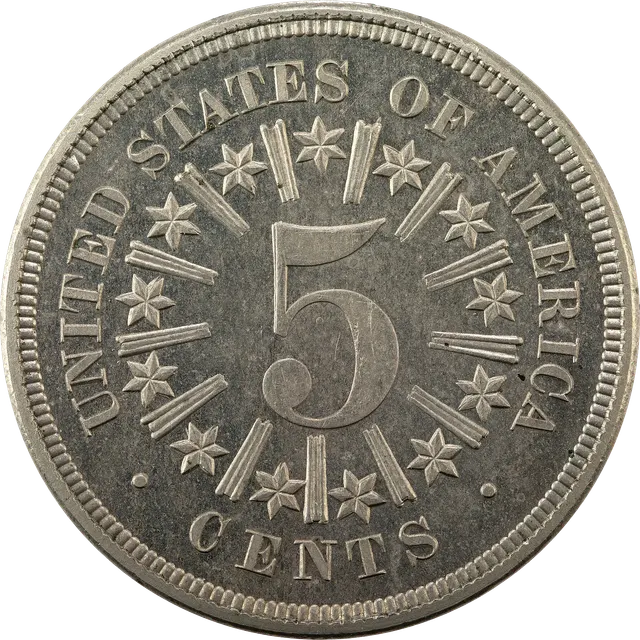
- Buffalo nickel
- Mercury dime
- Standing Liberty quarter
- Quarter
More coin pagesDime