Coin Scales and Calipers: Spotting Fakes
Updated
As an Amazon Associate we earn from qualifying purchases.
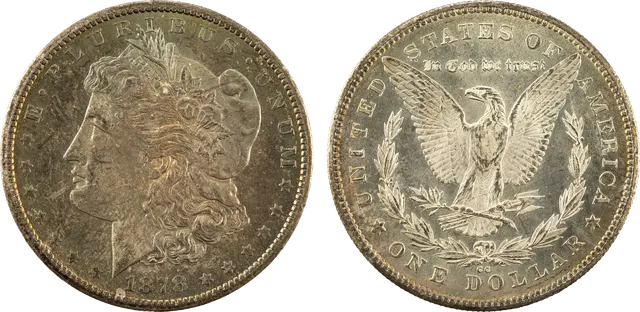
A fake Morgan dollar or Silver Eagle can look convincing in a photo, and sometimes under a loupe too. Its weight and size are much harder to get right. Gold and silver are heavy for their size, and the cheap metals in most fakes aren't. Copy a coin in a lighter metal and it comes out underweight, or thicker or wider than the real one.
That's why a scale and a caliper are the first tools most collectors and dealers reach for. Together they cost less than a single Silver Eagle, and they catch most of the crude fakes sold online. Here's how to use them, which numbers to check, and which tools are worth buying.
Why weight and size catch fakes
Every coin is struck to a set weight, diameter and thickness. The US Mint publishes these figures for its coins, and other mints do the same.
Precious metals are dense. Gold weighs about 19.3 grams per cubic centimetre and silver about 10.5. The copper, nickel, brass and zinc alloys used in most fakes come in at roughly 7 to 9. That leaves a counterfeiter two options:
- Make the coin the right size, and it comes out light. A copper-nickel copy of a Morgan dollar at the real size would weigh about 23 grams instead of 26.73.
- Make it the right weight, and it has to be thicker or wider than a real coin.
A scale catches the first kind and a caliper catches the second. You need both, because a fake can pass one test and fail the other.
Real fakes are often off on both counts. NGC once examined a counterfeit 2000-P Silver Eagle that weighed 30.6 g and measured 39.9 mm across. A genuine one is 31.1 g and 40.6 mm.
What a scale and caliper won't catch
Weighing and measuring screen out the obvious fakes. They can't prove a coin is genuine.
Tungsten is the main problem. It's almost exactly as dense as gold, so a gold-plated tungsten core can hit the right weight and size. This mostly affects gold bars and large gold coins. Some silver fakes are struck in real silver, and some "rare" coins are genuine coins with an altered date or an added mint mark. A scale won't spot those either. For dates and mint marks you need a loupe (see our guide to coin magnifiers and loupes).
So read the results this way. A coin that fails is almost certainly fake or damaged. A coin that passes isn't obviously fake, and that's all. For an expensive coin, buy one already graded by PCGS or NGC, or send yours in.
Specs to check
These are the published figures for some of the most counterfeited coins. Circulated coins run a little light from wear, perhaps a tenth of a gram on a worn silver dollar. A fake is usually off by much more.
| Coin | Weight | Diameter | Thickness |
|---|---|---|---|
| American Silver Eagle (1 oz) | 31.103 g | 40.6 mm | 2.98 mm |
| American Gold Eagle (1 oz) | 33.931 g | 32.7 mm | 2.87 mm |
| Krugerrand (1 oz) | 33.93 g | 32.77 mm | 2.84 mm |
| Morgan and Peace dollars | 26.73 g | 38.1 mm | not published* |
| Silver half dollar, 1964 and earlier | 12.50 g | 30.6 mm | not published* |
| Silver quarter, 1964 and earlier | 6.25 g | 24.3 mm | not published* |
| Silver dime, 1964 and earlier | 2.50 g | 17.9 mm | not published* |
| Lincoln cent, copper (to 1982) | 3.11 g | 19.05 mm | not published* |
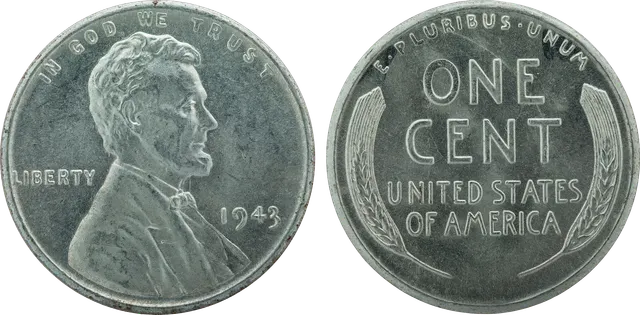
| Lincoln cent, 1943 steel | 2.70 g | 19.05 mm | not published* |
*There's no official thickness for these older coins. Measure one you know is genuine and use it as your reference.
The weight column also sorts real silver from base metal. A 90% silver quarter weighs 6.25 g, while a copper-nickel clad quarter from 1965 on weighs 5.67 g. That gap of more than half a gram is easy to see on a scale that reads to 0.01 g.
How to weigh a coin
- Use a scale that reads to 0.01 g. A kitchen scale that reads to 1 g, or even 0.1 g, is too coarse for the differences that matter.
- Calibrate it. Pocket scales drift, so weigh a calibration weight first and check the reading. Some scales come with one and some don't.
- Weigh on a clean, level surface away from fans and drafts. Moving air makes the last digit jump.
- Use the tare button. If you weigh in a small tray, zero the scale with the empty tray on it.
- Handle the coin by its edges, or wear cotton gloves, so you don't leave skin oils on the surface.
- Weigh it twice. If the two readings differ, check the battery and the surface.
You can't weigh a coin inside a slab, because the holders vary in weight. Slabs get counterfeited too, so for a graded coin, look up its certification number on the grading company's website.
How to measure with a caliper
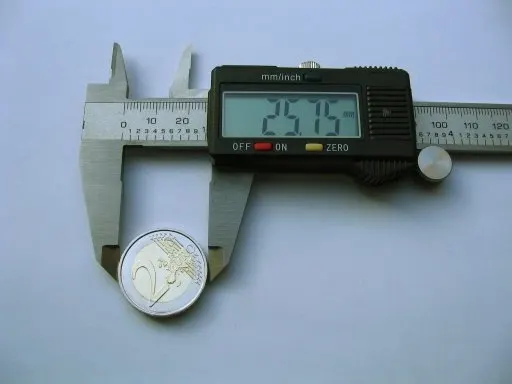
A digital caliper reads diameter and thickness to a hundredth of a millimetre.
- Close the jaws and zero it.
- Measure the diameter from edge to edge. Take two or three readings at different angles. A real coin is round, and some cast fakes aren't.
- Measure the thickness at the rim. The raised rim is the thickest part of the coin and gives the most consistent reading.
- Close the jaws gently. The steel jaws can scratch or dent a coin if you squeeze hard or slide them across the face. Gold is soft, and proof coins mark easily.
The magnet test
Gold and silver aren't magnetic, so a "silver" coin that jumps onto a magnet is fake. The exceptions are coins that are supposed to be magnetic, such as the 1943 steel cent.
That cent is also behind a classic fake. A genuine 1943 copper cent is one of the most valuable US errors, and people copper-plate ordinary steel cents to pass them off as one. The plated coin sticks to a magnet and weighs about 2.70 g, while a real copper cent weighs about 3.11 g.
A magnet only catches the laziest fakes, though. Copper, brass and nickel alloys don't stick to one either.
Coin scales
A 0.01 g pocket scale handles most coins. For small gold coins, where a few hundredths of a gram matter, a milligram scale that reads to 0.001 g gives you an extra digit.
Calipers
Precious metal verifiers
If you buy a lot of bullion, a scale and caliper eventually aren't enough. A precious metal verifier sends a signal through the coin and reads how well the metal conducts electricity. It can catch a tungsten core, and it doesn't mark the coin the way acid or scratch tests do.
Verifiers are expensive, and you still need a scale and caliper alongside one.
Keep the coin safe while you test
- Hold coins by the edge, or wear cotton or nitrile gloves.
- Don't scratch, file or acid-test a coin you want to keep. Those tests leave damage, and a verifier does the job without a mark.
- Weigh on a clean tray, not a bare pan that's held something else.
- Put the coin back in a PVC-free holder or capsule afterwards. Our guide to coin holders and capsules covers the options.
People have always weighed coins
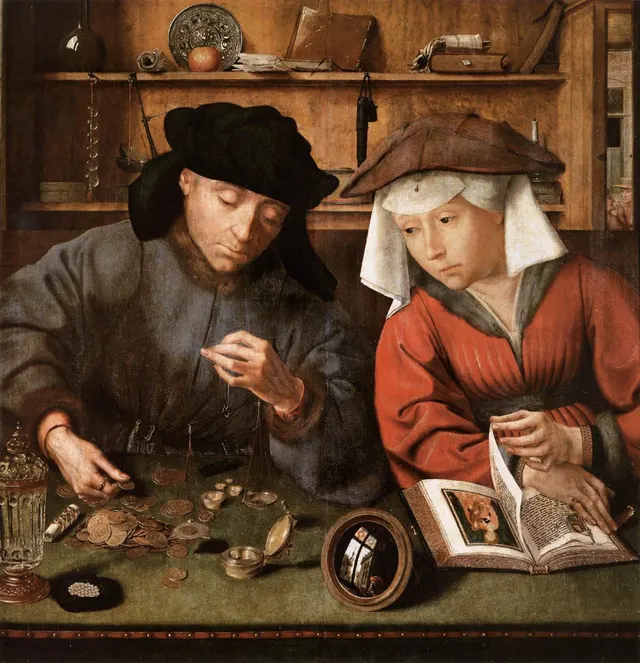
Merchants and money changers kept balances and sets of coin weights for centuries, because a clipped or worn coin held less metal than it should. Coin Clipping, Debasement and Gresham's Law tells that story.
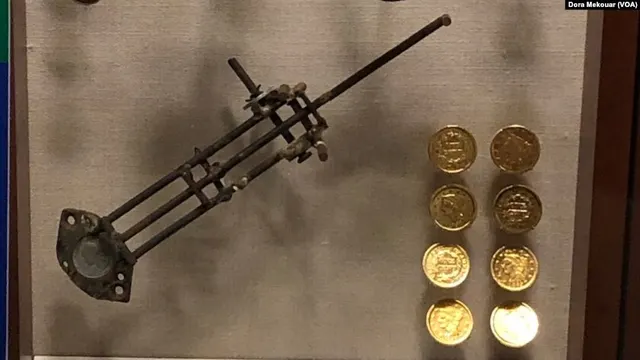
In the US, the 1973 Hobby Protection Act requires imitation coins to be plainly and permanently marked "COPY". Plenty of fakes sold online ignore it, and some go further. The US Secret Service Museum displays fake $10 gold pieces that counterfeiters made from copper pennies.
Keep reading
- The coins in our spec table have their own stories: Morgan, Peace and Trade Dollars, Bullion Coins and the Krugerrand and The History of the Penny.
- Why some coins are worth faking at all: The Rarest and Most Valuable Coins.
- New to the hobby? Start with the coin collecting starter kit.
- Or just flip a coin.
Questions collectors ask
What kind of scale do I need to weigh coins?
A digital pocket scale that reads to 0.01 g. That's fine enough to tell a 90% silver quarter (6.25 g) from a clad one (5.67 g) and to spot most fakes. A milligram scale that reads to 0.001 g helps with small gold coins, but many can't take more than 20 to 50 g.
How much should a real Silver Eagle weigh?
The US Mint lists the American Silver Eagle at 31.103 g, one troy ounce, with a diameter of 40.6 mm and a thickness of 2.98 mm. A coin that's well off any of these figures is a red flag.
Can a fake coin weigh the same as a real one?
Yes. A fake made of a lighter metal can match the weight if it's made thicker or wider, which is why you should also measure it with a caliper. Tungsten-core fakes can match both weight and size, so expensive gold is best checked with a precious metal verifier or bought already graded.
Is the magnet test enough to spot fake silver?
No. Silver isn't magnetic, so a coin that sticks to a magnet is fake. Copper, brass and nickel alloys don't stick either, though, and most fakes are made of those. Use a magnet as a quick first check, then weigh and measure.
Do I need a precious metal verifier?
Only if you buy a lot of bullion. For most collectors, a 0.01 g scale, a digital caliper and a loupe catch the common fakes. A verifier earns its keep for regular bullion buyers because it can catch the tungsten fakes that a scale and caliper miss.
Sources
- NGC, "Counterfeit Detection: 2000-P American Silver Eagle" (28 June 2020)
- APMEX Learning Center, "How to Spot a Fake American Silver Eagle"
- United States Mint, "Coin Specifications" (circulating coins)
- Scottsdale Mint and Hero Bullion product specifications for the 1 oz American Gold Eagle
- Numista, "1 Ounce Krugerrand"
- Stack's Bowers, "Morgan Silver Dollar (1878–1921)"
- PCGS CoinFacts, "1943 1C Bronze"
- Federal Trade Commission, 16 CFR Part 304, Rules and Regulations Under the Hobby Protection Act
- Sigma Metalytics product listings on Amazon (PMV Original SM1601, Investor SM3012) for the resistivity-only caveat and the Investor's density feature; Greater Goods, American Weigh Scales and Neiko listings for capacity, resolution and accuracy figures
Coins in this guide
- HTMorgan dollarUnited States
- HTPeace dollarUnited States
- HTKrugerrandSouth Africa
- HTPennyUnited States
- HTQuarterUnited States
- HTDouble eagleUnited States