Best Coin Collecting Books
Updated
As an Amazon Associate we earn from qualifying purchases.
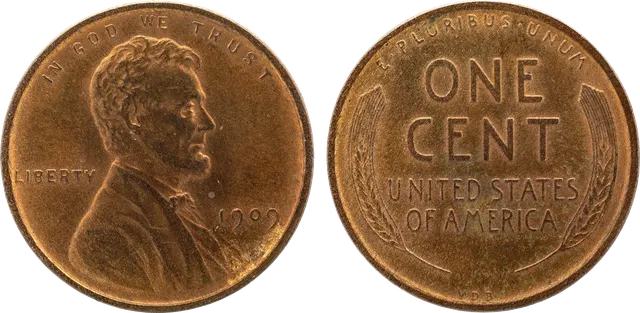
Most US coin collectors end up owning a small red book. It's usually the first thing people buy after their first coin, and for US coins it's still the book most collectors reach for first.
A price guide alone won't make you a good collector, though. You also need to know how to grade a coin, what makes one variety rare and another common, and where your coins came from. This guide covers nine books that between them do all of that. For each one we say who it suits and where it falls short.
One note on the search term. "Coin collecting book" can also mean the folders and albums you press coins into. If that's what you're after, see Coin Albums, Folders and Storage Boxes. This page is about books you read.
Start here: the Red Book
A Guide Book of United States Coins has been the standard US coin catalogue for almost 80 years. Everyone calls it the Red Book. Richard S. Yeo, who wrote under the name R.S. Yeoman, created it at Whitman Publishing. The first edition was dated 1947 and went on sale in November 1946. Whitman says more than 26 million copies have been sold since.
Price guides weren't new, even then. In 1889 William Von Bergen published The Rare Coins of America, which listed the prices paid for rare American coins and illustrated them with woodcuts.
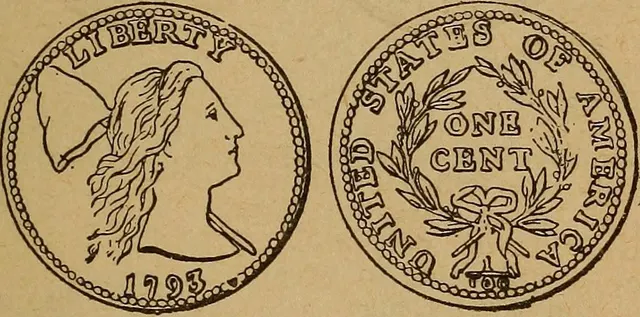
The 2027 book is the 80th edition. It lists more than 13,000 coins, tokens, sets and medals, from colonial pieces to this year's issues. Each entry has mintages, specifications, a short history and values in up to nine grades.
Those values are retail. They're a guide to what a collector might pay a dealer, and real prices move with the market and with the exact grade of a coin. Because the book comes out every year, an old copy is fine for history and mintages but out of date on values.
The spiral binding is the one to get if you'll use it at the table with a coin and a loupe. It lies flat and stays open. Whitman also sells hardcover, paperback and large-print versions.
The Blue Book: what dealers pay
The Handbook of United States Coins, or Blue Book, is the Red Book's older sibling. Whitman has published it since 1942, and Yeoman was one of its founding editors.
The two books look alike, but they answer different questions. The Red Book gives retail values. The Blue Book lists wholesale values: roughly what a dealer might pay you for a coin. That makes it the more useful book when you're selling, or when you've inherited a collection and want a realistic idea of what it would fetch.
It's less useful for buying, and it has fewer listings and less history than the Red Book. Most collectors will want the Red Book first.
Mega Red: the deluxe version
Mega Red is the expanded edition of the Red Book. The current edition, the tenth, runs to more than 1,000 pages, about twice the length of the regular book. Whitman says it lists more than 18,000 items with values in up to 13 grades, and it adds more varieties, auction records, market analysis and essays.
It's a lot of book for a beginner, and it's heavy enough that you won't carry it to a coin show. If you collect one US series seriously, though, it saves buying several specialist books.
A beginner's guide to the hobby
Kenneth Bressett edited the Red Book for more than 50 years, and his introduction to coin collecting is the friendliest place to start. The fourth edition, from 2024, was renamed Coin Collecting: An Introduction to the World of Numismatics. Earlier editions were called the Whitman Guide to Coin Collecting.
It covers how to start a collection, how to look after it, how grading works and how coin values are set. It has no price tables, so pair it with a Red Book.
Learning to grade
A coin's grade can change its value many times over, and the Red Book's value columns only make sense once you can place a coin in the right one. Two books are worth having.
The Official ANA Grading Standards for United States Coins sets out the American Numismatic Association's grading standards for every US series since 1793. The 2018 eighth edition is in full colour and describes each grade from Poor to Mint State. It's the reference to settle arguments with. Its descriptions are detailed, which makes it slow going at first.
Q. David Bowers' Grading Coins by Photographs takes the opposite approach. It shows enlarged colour photos of each grade, series by series, from half cents to double eagles. Comparing a coin against a photo is easier for most beginners than reading a written description. The current edition dates from 2012, so the section on the coin market is dated, but the coins themselves haven't changed.
A book won't replace looking at a lot of coins. For valuable pieces, professional grading by PCGS or NGC is still the final word.
Hunting for varieties
Some coins are worth far more than their neighbours because of a small mistake in the die: a doubled date, a repunched mintmark, a missing detail. The Cherrypickers' Guide to Rare Die Varieties is the standard book for finding them. The name comes from "cherrypicking", buying a rare variety at the price of an ordinary coin because the seller didn't spot it.
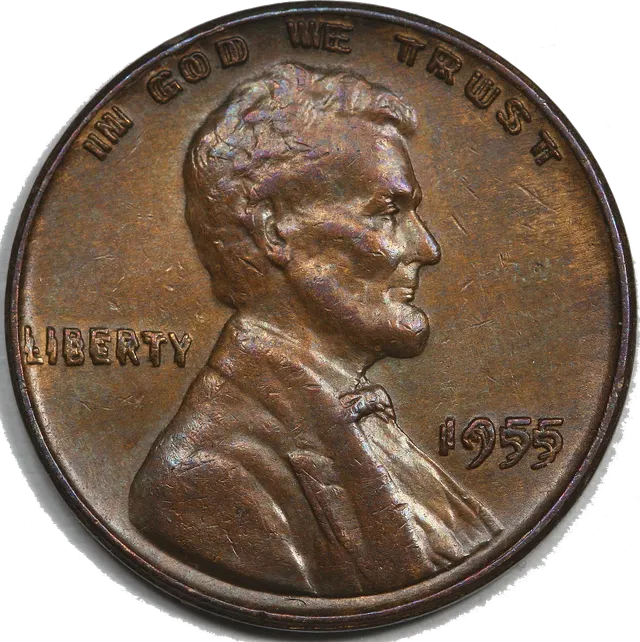
The guide first appeared in 1990. The sixth edition of Volume I (2024) covers half cents, cents, two- and three-cent pieces and nickels. It lists more than 680 varieties with over 1,000 images. The higher denominations are in a separate Volume II.
It's a specialist book. You'll need a good loupe to use it (see our guide to magnifiers and loupes), and much of it will mean little until you know the basic series well.
A book for reading
100 Greatest U.S. Coins by Jeff Garrett and co-authors ranks the most famous American coins, from great rarities such as the 1913 Liberty Head nickel to popular coins like the 1909-S VDB cent. Each coin gets its own entry with its story and photographs. The sixth edition came out in 2024.
You'll read it rather than look things up in it. It explains why some coins sell for millions, and it makes a good gift for someone just getting into the hobby. Our own article on the rarest and most valuable coins in the world covers some of the same ground.
Beyond US coins: ancient and world
For ancient coins, Wayne G. Sayles' Ancient Coin Collecting is a practical introduction. Sayles founded The Celator, a journal about ancient coins. The book covers how to buy ancient coins, spot fakes and read the images and legends on them, with more than 300 photos. The second edition dates from 2007, so its market and price information is old. Its advice on spotting fakes and reading coins still holds up.
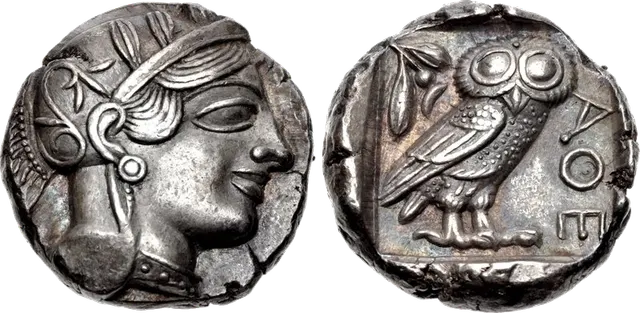
If you want the history first, start with our articles on ancient Greek coins and Roman coin denominations.
For world coins after 1900, the big reference has long been Krause's Standard Catalog of World Coins. The newest print edition of the 1901-2000 volume we could find is from 2019, though, so its values are well out of date. Many collectors now use Numista, a free online catalogue, instead.
Keep the books and the coins apart
Don't store coins between the pages of a book, even a coin book. The American Numismatic Association warns that direct contact with paper or cardboard containing sulfur can discolour coins. Keep coins in PVC-free holders and store the books on a shelf. Our guide to coin holders, capsules and flips covers which holders are safe.
Which book should you buy first?
- New to collecting US coins: the Red Book, then Bressett's introduction.
- Selling or valuing a collection: the Blue Book, alongside a Red Book.
- Starting to buy coins worth real money: a grading guide.
- Searching rolls for errors: the Cherrypickers' Guide and a loupe.
- Collecting ancient coins: Sayles, then the history articles on this site.
Keep reading
- New to the hobby? Our coin collecting starter kit covers the basic tools.
- Two of the Red Book's most famous entries have their own stories: the history of the penny and America's classic silver dollars.
- The Red Book starts where the US Mint did: the Coinage Act of 1792.
- Browse the Americas era of the Coin History Atlas.
- Or just flip a coin.
Questions collectors ask
What is the best coin collecting book for beginners?
For US coins, start with the Red Book (*A Guide Book of United States Coins*). It gives mintages, history and retail values for every US coin. Add Kenneth Bressett's *Coin Collecting: An Introduction to the World of Numismatics* if you want the basics of the hobby explained.
What is the difference between the Red Book and the Blue Book?
The Red Book lists retail values, a guide to what a collector might pay a dealer. The Blue Book (*Handbook of United States Coins*) lists wholesale values, roughly what a dealer might pay you. Whitman publishes both. The Blue Book dates from 1942 and the Red Book from 1946.
Do I need a new Red Book every year?
Only if you rely on its values. A new edition comes out each year with updated values and the latest coins. Mintages, specifications and history don't change much, so an older copy is still useful for those.
Are coin price guide values what my coins are worth?
They're a starting point. Real prices depend on the exact grade, demand and the market at the time. For a valuable coin, get it graded and check recent auction results.
Can I keep coins inside a coin book?
No. The American Numismatic Association warns that paper or cardboard containing sulfur can discolour coins. Keep coins in PVC-free holders and keep the books on a shelf.
Sources
- Whitman Publishing, The Official Red Book 2027 product page
- Whitman Publishing, author page for R.S. Yeoman
- CoinsWeekly, "The Red Book and Its Two Fathers"
- Wikipedia, "A Guide Book of United States Coins"
- CoinNews, "The Blue Book: A US Coin Book to Own"
- American Numismatic Association, "Storing Your Coin Collection"
- Publisher descriptions on the Amazon.com product pages for each pick
Coins in this guide
- HTPennyUnited States
- HTFlying Eagle centUnited States
- HTBuffalo nickelUnited States
- HTMercury dimeUnited States
- HTMorgan dollarUnited States
- HTDouble eagleUnited States
- HTAthenian tetradrachmAthens
- HTDenariusAncient Rome